
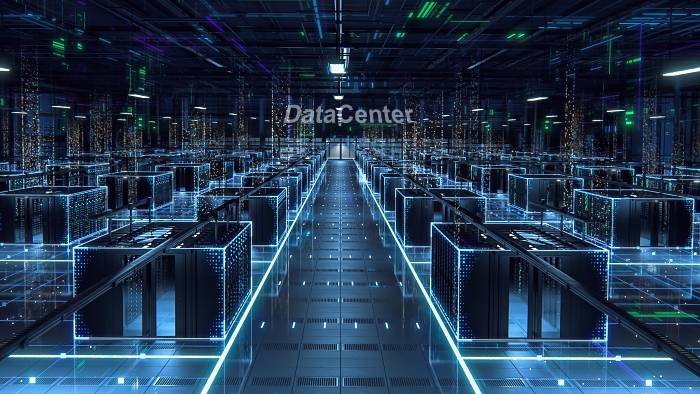
A surge in data center investment driven by the spread of artificial intelligence is fuelling expectations that a global shortage of memory semiconductors and higher prices in 2026 are effectively a done deal.
Tom's Hardware, cited by online outlet Gigazine on Sunday, said AI data centers are expected to consume up to 70 percent of memory semiconductors produced in 2026. It said the resulting supply pressure is likely to spread to other industries such as autos, home appliances and PCs.
In 2025, large-scale data center construction for AI model training and inference accelerated in earnest, sending demand for memory such as DRAM and high-bandwidth memory (HBM) surging alongside GPUs. In the process, memory prices jumped by up to more than threefold in just a few months, directly affecting not only the custom PC market but also finished product prices.
The problem is that memory makers are prioritising production of higher-margin products for AI data centers, while output of older memory used in cars, TVs and home appliances is shrinking. S&P Global warned that the strategic shift by DRAM makers could trigger shortages of automotive semiconductors. Since memory is essential for products such as smart TVs, refrigerators and Bluetooth speakers, concerns are also being raised that price increases will inevitably be passed on to consumers.
The smartphone market is also being affected. Some outlets are predicting that smartphones with 4GB of RAM or models that support microSD cards will make a comeback due to a steep rise in memory prices. The analysis is that manufacturers could lower base memory capacity or revive expansion slots to cut costs.
The PC market is no exception. With replacement demand expected following the end of Windows 10 support, expectations are emerging that price increases are unavoidable as memory supply constraints overlap. Research firm IDC said, "2026 will be a year when the prices of tech products rise due to supply constraints, not demand growth."
The industry sees a high likelihood that the semiconductor supply imbalance and price burden will persist through 2026, as an AI-centered structure of memory demand will be difficult to ease in the short term.
 Jinju Hong
hongjj@d-today.co.kr
Jinju Hong
hongjj@d-today.co.kr