
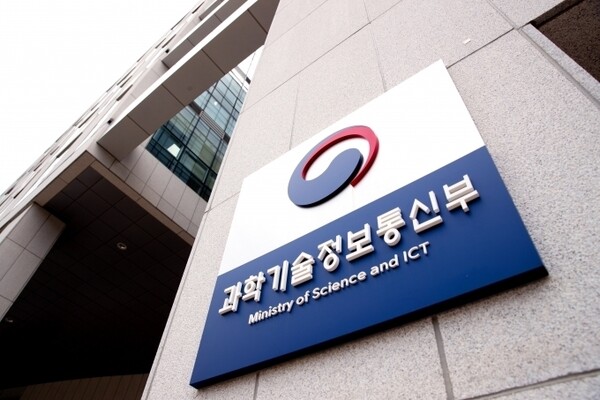
Bae Kyung-hoon, vice prime minister and minister of science and ICT, attended the "2026 R&D Special Zone New Year gathering" held at Hotel ICC in Daejeon on Jan. 19 and shared future development directions with members of the research and development special zones.
The gathering was held under the theme "R&D special zones leading regional innovation ecosystems as a deep-tech base." Attendees included the vice prime minister, the chair of the special zone foundation, the mayor of Daejeon, members of parliament and about 200 people from industry, academia and research related to the R&D special zones.
The event was the first New Year gathering since the Gangwon special zone was newly designated late last year, completing a system of 6 regional special zones and 13 specialized special zones. The Ministry of Science and ICT explained that it added significance as a full-fledged starting point as a key base for balanced national growth under the "5 poles and 3 special zones" framework.
The program began with a special lecture by Jung-ho Lee, chief executive of SovaGen, which signed a 750 billion won technology transfer agreement with a global pharmaceutical company last year. It also included awards for technology commercialisation, commendations for contributors to the special zones, a New Year ceremony and a video showcasing major achievements of the zones.
The "2026 R&D Special Zone Performance Exchange" held on the same day consisted of two programmes: a conference and an exhibition of results. The conference shared government support policies and success know-how from leading companies. The exhibition displayed outstanding commercialisation results representing regional and specialized special zones.
R&D special zones refer to areas created to generate new technologies through research and development, spread R&D outcomes and promote commercialisation. The Ministry of Science and ICT plans to actively foster deep-tech research institute companies together with science and technology institutes and government-funded research institutes in the zones, and to expand support for entry into global markets.
Bae said the government will continue support so that the R&D special zones lead regional innovation ecosystems as a base for deep-tech startups and technology commercialisation, and so that technologies do not remain in research and development but can extend to industry, markets and the global stage.
 Jin-ho Lee
jhlee26@d-today.co.kr
Jin-ho Lee
jhlee26@d-today.co.kr