
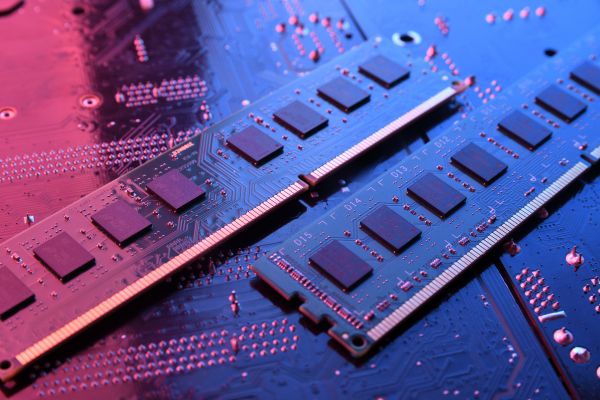
[DigitalToday reporter Jinju Hong (홍진주)] As memory prices surge amid the spread of AI data centres, attention is focusing on how long PC RAM can be used. RAM can physically be used for up to 15 years, but an analysis says the actual replacement point is likely to be determined more by performance limits and CPU and motherboard compatibility than by failure.
On Nov. 8 (local time), IT outlet Engadget reported that PCWorld analysed RAM's physical lifespan as averaging about 3 to 15 years. While it varies depending on manufacturing quality, heat, power stability and the usage environment, PCWorld said many people in typical conditions keep using their existing RAM until they buy a new PC.
As the burden of higher memory prices grows, a strategy of keeping existing components as long as possible is also drawing attention. That is because a surge in memory demand from AI data centres is affecting PC memory prices as well. Apple has raised prices for existing devices, and Valve's Steam Machine is expected to launch at a higher price range than initially anticipated. Prices for next-generation consoles are also uncertain.
This trend is also leading to moves that prioritise cost efficiency over the latest memory standards. With next-generation standards such as DDR6 foreshadowed, Intel has chosen to keep DDR4 support on some products. That is seen as reflecting demand to use existing standards as memory prices rise.
RAM lifespan varies depending on how it is used. Routine tasks such as web browsing, email, video streaming and light gaming do not put a heavy burden on memory. By contrast, workloads such as video editing, AI computation and high-end 3D games that sustain high loads for long periods can raise heat and accelerate component ageing.
Overclocking is also a factor to watch. Raising RAM operating speed above design specifications can increase heat and power burden. Forcing performance without sufficient cooling can raise the risk of errors or failure. External factors such as electrostatic shocks can also cause sudden failure.
Still, older RAM does not necessarily mean performance is lacking. DDR4 still provides enough performance to run routine PC tasks and many games. DDR5 can bring performance gains in some tasks, but actual PC performance is also heavily affected by the CPU and GPU.
In some cases, capacity matters more than memory standards. For users who run multiple programs at once or keep many browser tabs open, 32GB DDR4 could be a better choice than 16GB DDR5. Google Chrome can use more than 8GB of memory just by keeping around 12 tabs open.
A bigger variable in deciding to replace RAM is CPU and motherboard compatibility. Motherboards for the latest CPUs are generally designed to support DDR5, meaning they cannot install DDR4 or DDR3. To keep using DDR4, a user must choose a motherboard that supports that standard, but that could narrow the range of latest CPUs that can be selected.
Ultimately, RAM is more likely to be replaced first due to changes in PC platforms before it physically fails. Engadget noted that to maintain the latest computing environment, users may need to change memory standards before their current RAM reaches the end of its lifespan. It added that considering the pace of PC technology development, even 5 years is not a short time.
For typical users who do not repeatedly run long periods of high-load work or excessive overclocking, there is no need to worry too much about sudden RAM failure. With memory prices surging, it may be a reasonable choice to first check whether the current RAM's capacity and performance are sufficient for actual usage conditions rather than replacing it unconditionally with the latest standard.
 Jinju Hong (홍진주)
hongjj@d-today.co.kr