
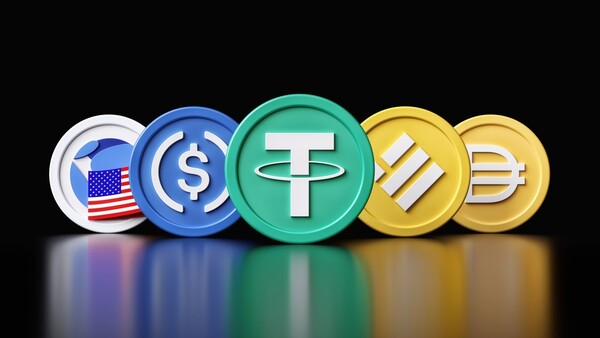
Billionaire investor Kevin O'Leary (케빈 오리어리) singled out stablecoins as the safest assets in the cryptocurrency market.
On Oct. 20 (local time), blockchain outlet U.Today reported that O'Leary divided cryptocurrencies into three categories based on volatility, regulation and adoption potential, and assessed stablecoins as less risky than Bitcoin and other cryptocurrencies.
In an analysis posted on X, formerly Twitter, O'Leary said crypto's high volatility is widely known but specific characteristics vary by asset. He defined stablecoins as "digital money."
He pointed to a U.S. regulatory framework for stablecoins as the basis for the view. O'Leary mentioned the Genius Act, which created federal rules for payment stablecoins in the United States. The law was enacted in July 2025 and required issuers covered by the law to hold reserves as qualified liquid assets.
That does not mean stablecoins are completely risk-free. Even if they are designed to be relatively stable, safety can vary depending on reserve quality, the issuer's credibility and redemption terms. It means the existence of a regulatory framework and the risks of individual products need to be considered separately.
Bitcoin was classified as a separate category. It is a representative cryptocurrency but was judged to still have strong speculative characteristics.
O'Leary also viewed regulatory issues as a hurdle to institutional adoption of Bitcoin. He said Bitcoin, unlike stablecoins, still has institutional uncertainty as the U.S. crypto regulatory framework is being put in place, including the Clarity bill failing to pass a Senate vote in September.
He focused on real-world use for Ethereum and other blockchain tokens. O'Leary compared blockchain technology to enterprise software and said actual adoption is key. He meant that how actively a network is used, in addition to price volatility and regulation, becomes a standard for judging value.
The remarks show a view that cryptocurrencies should not be lumped into a single asset class but divided by regulatory levels, intended use and the stage of market adoption. He distinguished stablecoins as tools for payments and digital fund transfers, Bitcoin as a speculative and highly volatile asset, and blockchain tokens as needing assessment based on technology adoption. Further legislation by the U.S. Congress remained a variable that could determine the pace at which Bitcoin and blockchain tokens are brought into the institutional fold.
"Number one, everybody knows crypto is volatile, but crypto is different things. On the most least volatile of that metric, you would call stable coins the safest right now. Why? Because it's legal through something called the Genius Act, and it's backed by US Treasury. So it's really digital money. Now, a little more risky and a lot more volatile is of course, Bitcoin. It is a risk asset so you're buying it as a speculator. Unfortunately, it is not yet a hundred percent legal because the Clarity Act has not been passed. That's law in Congress. We want that to happen. So most institutions haven't really touched Bitcoin yet. Third on the hit parade of crypto you should know about are called blockchain tokens. That's something like Ethereum. Blockchain is nothing more than enterprise software. When you think about enterprise software, all that matters is adoptions. Unfortunately, although we've been talking about it for twelve years, virtually no one's using blockchain yet. But that could change."
 Yoonseo Lee
yslee@d-today.co.kr