
[DigitalToday reporter Jae-won Choi] Investigative journalist John Carreyrou (존 캐리루), who exposed fraudulent practices at U.S. blood-testing startup Theranos, stressed that people should not confuse the quality of a documentary about former CEO Elizabeth Holmes (엘리자베스 홈스) with accountability for the real events.
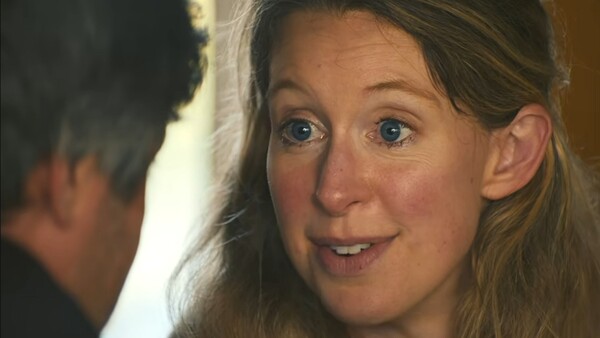
On Oct. 19, local time, Business Insider reported that Carreyrou said of the documentary "You Can See Everything" that it was "a great work of art, but people should not confuse the work with the facts it is based on." Co-directed by Nathan Fielder (네이선 필더) and Lance Oppenheim (랜스 오펜하임), the film depicts 34 days of Holmes' daily life before she was imprisoned in a federal prison in 2023. Holmes maintains, even in front of the camera, that her conviction was unjust.
The film focuses on Holmes' private life and words and actions rather than the full story of the Theranos fraud. Viewers offered interpretations ranging from saying it was hard to gauge Holmes' sincerity to expressing shock and sympathy.
Carreyrou stressed that Holmes' responsibility must not be blurred. On X (Twitter), Carreyrou said Holmes relentlessly pressured whistleblowers Tyler Shultz (타일러 슐츠) and Erika Cheung (에리카 청), and that he, too, faced threats of lawsuits every day for months. He described it as a ruthless attempt to conceal a large-scale fraud and claimed Holmes was at the center of it.
Carreyrou exposed suspicions about Theranos' blood-testing technology and business operations in a 2015 Wall Street Journal report. Holmes was convicted in 2022 on charges related to defrauding investors and was imprisoned the following year.
Carreyrou did not criticise the film itself. He said he watched it twice and recommended his book "Bad Blood" to viewers who want to know the detailed background of the case.
He also said he liked the film very much and left a reaction suggesting it would not be out of place as an Academy Award best picture nominee. His message was that even while recognising the film's artistic achievement, the harm and responsibility in the real case should be judged separately.
 Jae-won Choi
ittt_0801@d-today.co.kr