
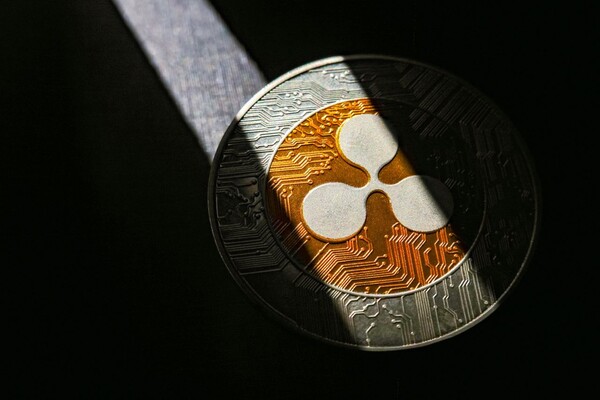
The final ownership structure of Nasdaq-listed XRPN has been disclosed, confirming Ripple co-founder Chris Larsen (크리스 라슨), Ripple and SBI Holdings as key shareholders in the new XRP treasury structure.
On Oct. 13, blockchain outlet U.Today reported that Evernos Holdings filed a new 8-K report with the U.S. Securities and Exchange Commission shortly after XRPN began trading on Nasdaq on Oct. 12.
The disclosure mainly corrected technical errors in earlier announcements and finalised the allocation of stakes to anchor investors. Evernos Holdings’ financial assets were structured through an in-kind contribution method, directly swapping XRP for shares in the merged entity. It was the first time details emerged on which investors were allocated how many shares.
The biggest focus was Larsen’s holdings. The filing showed Larsen holds 2,340,249 Class A shares through himself and related entities, making him the largest individual shareholder. U.Today described him as the "largest individual holder" and a "primary focus" for market analysts.
Ripple’s stake was also sizeable. Ripple directly holds 1,678,382 Class A shares. Along with the transaction sponsor, it also gained joint investment and voting-control rights over an additional 4,215,479 shares. Japan’s financial group SBI Holdings showed the biggest presence among strategic investors. SBI Holdings received 9,431,914 Class A shares and 2,359,038 Class C shares, about 7.5 percent of the total Class C allotment.
Arrington XRP Capital, led by Michael Arrington (마이클 애링턴), was also allocated 1,199,503 Class A shares. Across the full private placement, investors received 15,288,001 Class A shares and 31,392,746 Class C shares. By contrast, existing retail shareholders of Amada, the shell SPAC, ended up holding only 20.5 percent of Class A shares under the new capital structure.
Market reaction quickly shifted from a sharp jump after listing to a pullback. Until the merger, XRPN showed little movement around $10, a reference price typical of SPAC stocks. As expectations rose for the deal to close in late September, speculative buying flowed in and the stock surged to as high as $48.50 in premarket trading. Technical indicators at the time entered a "deeply overbought zone."
By the Oct. 13 close, XRPN had fallen to $17.07, nearly one-third of its peak, before ending the session up 0.95 percent on the day. The relative strength index stood at 49.92, returning to a neutral range. That signals that after the initial surge phase ended, actual operating performance is increasingly likely to drive the share price.
The next point to watch is the new management’s asset-management capability. XRPN’s direction depends on how the management team led by Hugo Jandesboz (휴고 잔데스보즈), a former Coinbase asset management director, manages these tokenised XRP treasury assets. Rather than the price formed by initial expectations, the ownership structure revealed after listing and operating results are expected to become the yardstick going forward.
 Jinju Hong
hongjj@d-today.co.kr
Jinju Hong
hongjj@d-today.co.kr