
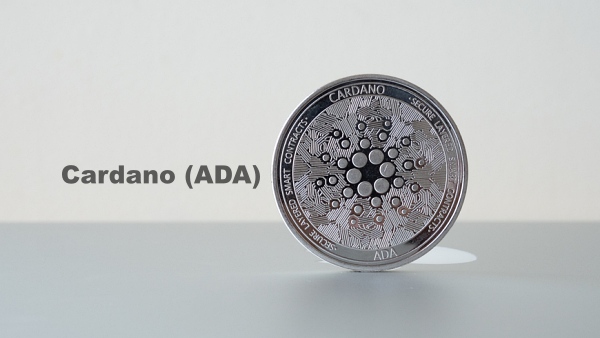
Cardano's blockchain processed 1,780,896 transactions over five days, marking the highest level of network activity in the past five years.
On Oct. 12 (local time), blockchain outlet U.Today reported the figure was tallied for epoch 660 from Oct. 6 to 11 and exceeded the previous record of 1,566,974 transactions set in epoch 304 in November 2021.
The key point is that the jump in transactions is closer to an expansion in actual network use than to simple speculative demand. The direct driver of the rise in network traffic was decentralised governance procedures during the Voltaire era.
In particular, the end of major on-chain voting by delegated representatives, or DReps, coincided with the close of epoch 660, sharply increasing wallet activity. Users were estimated to have activated wallets in large numbers to vote on proposals to change network economic parameters, including lowering the minimum pool cost, or minPoolCost. The proposals did not pass because they failed to reach a quorum, but the voting process itself served as a large-scale test of Cardano's structure.
Cardano processed transactions without disruption even under the heavy load. Average block density was 83.83 transactions per block. Total output over five days was 46.71 billion ADA, and transaction fee revenue was 337,720 ADA. The average cost of a single transfer was 0.19 ADA, or about $0.05. Statistics released by the community also showed an average of 83.83 transactions per block and fees of 337,720 ADA.
Market reaction was the opposite. Despite the network handling record traffic, ADA fell 3.58 percent to $0.2429. It also failed in its attempt to settle at the $0.2600 level. On technical indicators, a bearish divergence formed in the RSI oscillator, and a pullback emerged due to a lack of momentum to support a price rise. ADA later slipped back below its moving average.
The moves show network performance and the token price moving separately. Cardano is currently operating close to its performance limit, but it is maintaining a 38 percent capacity utilisation rate in the following epoch 661. Governance participation was confirmed as capable of lifting on-chain activity, but another focus of this record is that the gains are not immediately translating into ADA prices.
 Yoonseo Lee (이윤서)
yslee@d-today.co.kr
Yoonseo Lee (이윤서)
yslee@d-today.co.kr