
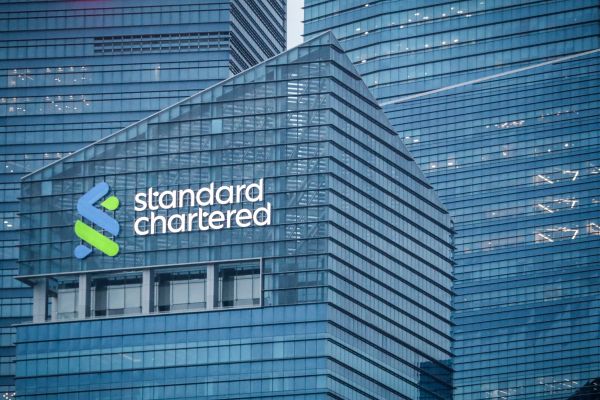
[Digital Today reporter Yoonseo Lee (이윤서)] Standard Chartered has started an institutional custody service for Ripple stablecoin RLUSD.
On Oct. 12 (local time), Cointelegraph reported that Standard Chartered added XRPL-based RLUSD to its digital asset custody service through its Dubai International Financial Centre (DIFC) branch. Eligible institutional clients can now custody RLUSD with Standard Chartered.
The bank is also pursuing a plan to expand a collateral mirroring model with institutional investment firm LMAX Group. If introduced, the model would allow clients to use RLUSD as trading collateral while keeping it in a bank custody account. Under this approach, LMAX Group recognises the collateral value of eligible RLUSD holdings, removing the need to move tokens directly to a trading platform.
The bank explained that this approach could reduce risk in the asset transfer process and help institutions manage counterparty exposure. The aim is to increase RLUSD's usefulness for trading while maintaining bank custody arrangements.
The additional collateral function has not yet been finalised. The feature must go through final documentation and testing, meet regulatory requirements, and complete internal approval procedures.
Ripple, which issued RLUSD, previously teamed up with LMAX Group in January 2026 to expand institutional use of RLUSD. The custody service can be seen as a step that extends that cooperation. While Ripple and LMAX Group first focused on expanding institutional demand, Standard Chartered is effectively adding banking-sector custody infrastructure to broaden the operational base.
The announcement is also drawing attention because it suggests institutional entry for stablecoins is expanding beyond custody and payments to collateral functions. In particular, a model that allows assets held in a bank custody account to be recognised as trading collateral addresses both custody risk and counterparty risk, which institutions consider important when operating digital assets.
Standard Chartered has also begun RLUSD support on XRPL first. Whether institutional demand for RLUSD actually expands will depend on whether the collateral function is approved and how far integration with LMAX Group is specified. The bank said the related functions depend on regulatory requirements and internal approvals, making the next point to watch how the service is provided to institutional clients after documentation and testing are completed.
 Yoonseo Lee
yslee@d-today.co.kr
Yoonseo Lee
yslee@d-today.co.kr