
A claim has been raised that Tesla should make its Full Self-Driving (FSD) standard on more vehicles and scrap its monthly subscription fee. The logic is that Elon Musk has stressed FSD is far safer than human drivers, so it should be treated as safety technology rather than a simple paid feature and rolled out more widely.
An opinion contributor said Tesla should end its $99-a-month FSD subscription and lower the access barrier for vehicles that can already run FSD, according to electric vehicle outlet CleanTechnica on Oct. 4 local time.
The argument starts with Musk’s remarks. On April 8, Musk claimed FSD is far safer than human drivers and could cut 90 percent of the roughly 1 million global traffic deaths. The contributor said if that is true, FSD should be viewed as safety technology that more drivers should use, beyond being a revenue-generating option.
FSD adoption is currently said to be about 15 percent. That means the remaining 85 percent of drivers are not using FSD. The contributor acknowledged Tesla has poured massive costs into developing FSD, but argued that if it can save lives, expanding adoption should take priority over profits.
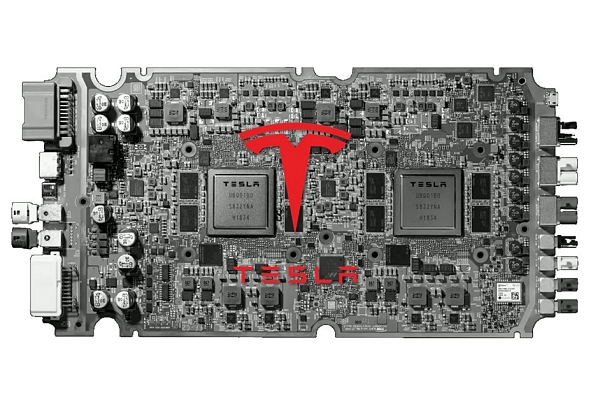
The contributor also suggested specific measures. For HW4-equipped vehicles produced since mid-2023, Tesla should broadly activate FSD, and for new vehicles it should reflect a safety fee of about $500 in the sale price. For owners of existing HW4 vehicles, scrapping the $99-a-month subscription fee was mentioned.
There was also a claim that the way drivers use FSD itself should change. Instead of drivers separately selecting FSD as they do now, the idea is to set the default driving mode itself to FSD.
The contributor also described using FSD V14 for about four months in a 2026 Model Y. The contributor said the vehicle responded automatically in various situations, such as moving to the roadside and stopping when an emergency vehicle approached before resuming driving.
The contributor also said simply providing FSD for free would be unlikely to boost usage. The contributor proposed active incentives, such as sharply discounting insurance premiums for customers who drive more than 90 percent of their total mileage using FSD.
Some insurers already provide discounts to FSD users. The contributor cited Lemonade as offering a 50 percent discount on mileage charges for driving segments using FSD. The contributor added the product is available only in some U.S. states, limiting its coverage.
The argument leads to the idea that FSD should be seen as a vehicle’s basic safety equipment rather than optional software. The contributor cited the three-point seat belt developed by Nils Bohlin in 1959 and said Tesla should provide FSD as a standard feature on all new vehicles and activate the latest software on existing vehicles as well.
There were also views raised that, in the long term, FSD should be opened to other automakers. Just as Tesla spread the NACS electric vehicle charging standard across the industry, FSD could also become a standard for automated driving technology.
There is still debate over whether Tesla’s camera-centric approach is as safe as other self-driving systems that use lidar and radar together. In the end, broader adoption of FSD is expected to hinge not only on verification of technical safety but also on resolving its profit model, insurance and regulatory issues.
 Jinju Hong
hongjj@d-today.co.kr
Jinju Hong
hongjj@d-today.co.kr