
False information surrounding electric vehicles and renewable energy is making the United States' transition to clean energy more difficult, critics say.
On Sept. 30, writer and researcher Carolyn Fortuna (캐럴린 포투나) argued in a contributed article posted on CleanTechnica that distorted information about climate science, electric vehicles and wind power is repeatedly spreading, blurring public perceptions of risk around fossil fuels and clean technologies.
Fortuna cited shifts in U.S. government energy policy. An internal email to staff at the Energy Department's Office of Energy Efficiency and Renewable Energy (EERE) telling them to avoid terms such as climate change, decarbonisation, sustainability and tax credits has surfaced. The department drew a line at interpretations that the terms had been officially banned.
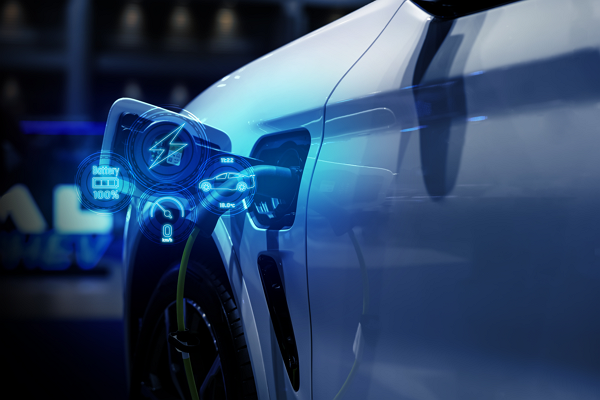
EV fires are also a major point of contention. There is insufficient basis to conclude that EVs catch fire more often than internal combustion engine vehicles. Swedish authorities' statistics also reported relatively fewer fires involving electric and hybrid vehicles compared with the overall vehicle fleet. Lithium-ion battery fires, however, pose separate response challenges such as thermal runaway and reignition, so caution is also needed in simply generalising that they are "safer."
A link between offshore wind power and whale deaths has also not been scientifically confirmed. The U.S. National Oceanic and Atmospheric Administration (NOAA) said it has found no evidence so far that wind power surveys or construction activities are causing deaths of large whales. Necropsies identified vessel strikes and entanglement in fishing gear as causes in some deaths.
There is also insufficient evidence that low-frequency noise from wind turbines causes direct health harm such as headaches. Research has found, however, that some residents may experience noise annoyance or sleep disturbance, prompting calls for careful siting and noise management.
The debate over clean energy should guard against both exaggerated fear and unconditional optimism, and assess risks and costs by technology based on verified data, the article said.
 Jae-won Choi
ittt_0801@d-today.co.kr
Jae-won Choi
ittt_0801@d-today.co.kr