
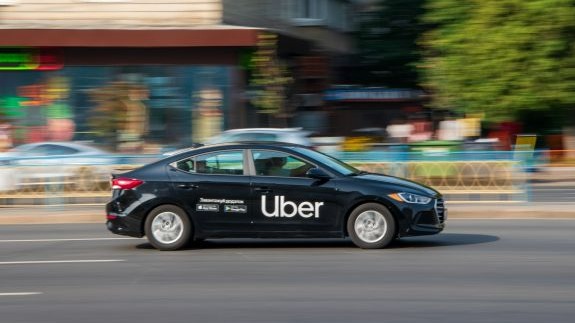
An analysis found that in some U.S. cities, Uber users are waiting longer for cars and fares have risen sharply.
Business Insider reported on Sept. 30 that Len Sherman (렌 셔먼), an adjunct professor at Columbia Business School, analysed data from 37,500 trips completed by drivers in six U.S. cities. He said the average time from driver matching to vehicle arrival in the first quarter of 2026 rose 19 percent from the first quarter of 2023. Over the same period, the average per-mile fare paid by passengers increased 53 percent.
The analysis used data from GigU, an app that lets drivers check expected earnings per minute and per mile before accepting a trip. Wait times increased in five of the six cities surveyed, including Atlanta, Dallas and Houston, and fell slightly only in Tampa, Florida.
The figures do not show passengers' total wait times. That is because the analysis used driver-side data and did not include the time from a passenger request to driver assignment. Sherman argued that actual passenger wait times could be longer when considering Uber's process of offering trips to multiple drivers under different terms.
Uber disputed the findings. A company spokesperson said Sherman's analysis was based on several inaccuracies and that the company had previously publicly rebutted related claims. The spokesperson did not separately respond to the reported 19 percent increase in wait times and 53 percent rise in per-mile fares. Uber says its prices vary depending on real-time market conditions such as supply and demand and traffic.
Sherman said that if rising prices and service delays occur at the same time, the risk of customer defection could increase. In the 2026 Axios Harris Poll 100, Uber's corporate reputation ranking fell to 72nd this year from 58th last year. Still, the analysis is based on driver data from six cities, limiting how far it can be generalised to the overall U.S. Uber user experience.
 Jae-won Choi
ittt_0801@d-today.co.kr
Jae-won Choi
ittt_0801@d-today.co.kr