
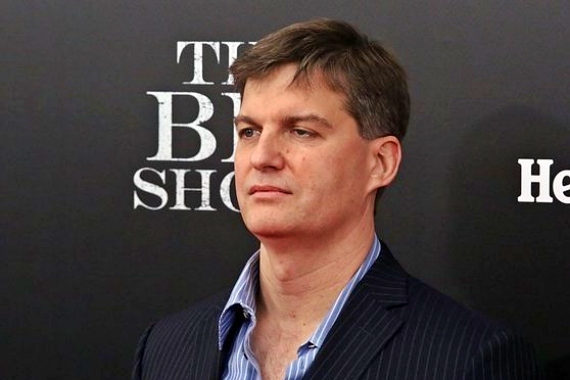
Michael Burry (마이클 버리), known as the real-life figure behind the film The Big Short, further strengthened his pessimistic outlook on Nvidia. The remarks came after Nvidia, which has become the world’s largest company, again beat results.
Cryptopolitan reported on Wednesday that Burry, in a Substack newsletter, pointed to Nvidia’s purchase commitments rising to $9.52 billion in a year. Purchase commitments refer to Nvidia telling major chipmakers it will buy semiconductors on that scale. It reflects expectations of rising demand for artificial intelligence (AI) chips.
Total supply obligations, including inventory and purchase contracts, were about $11.7 billion, close to the company’s annual operating cash flow. Burry viewed this as a “business plan problem”.
Colette Kress (콜렛 크레스), Nvidia’s chief financial officer, said in a fourth-quarter earnings release that inventory rose 8 percent from the previous quarter. Kress said, “We strategically secured inventory and capacity much farther in advance than usual.” Burry interpreted it as “a company locking in supply before it even knows future demand.”
“This is not simply a supply chain issue or an external factor. It is due to internal company decisions,” he said, citing a past case at Cisco Systems. Cisco secured a large supply chain during the late-1990s dotcom boom, but later suffered massive inventory losses as demand fell. Burry said, “At the time, Cisco increased purchase commitments in preparation for 50 percent annual growth, but lost more than $1 billion due to shifts in demand.”
Jensen Huang (젠슨 황), Nvidia’s chief executive, stressed an expansion of its networking business in this earnings release, saying, “We have now become the world’s largest networking company.” But Burry warned that Nvidia’s profit margin of more than 70 percent was driven by unusually strong demand and rising prices, and could plunge if demand shifts.
Nvidia’s networking division has grown more than 10-fold from 2021 and posted annual revenue of $31.0 billion. Huang added, “Demand is expanding across various industries beyond chatbots.”
 Jinju Hong
hongjj@d-today.co.kr
Jinju Hong
hongjj@d-today.co.kr