
[Maui, United States = DigitalToday reporter Daegeon Seok] Google's Android XR device lineup is expanding as it uses different Snapdragon platforms depending on form factor. AI glasses powered by Snapdragon AR1 will be launched this year with eyewear brands.
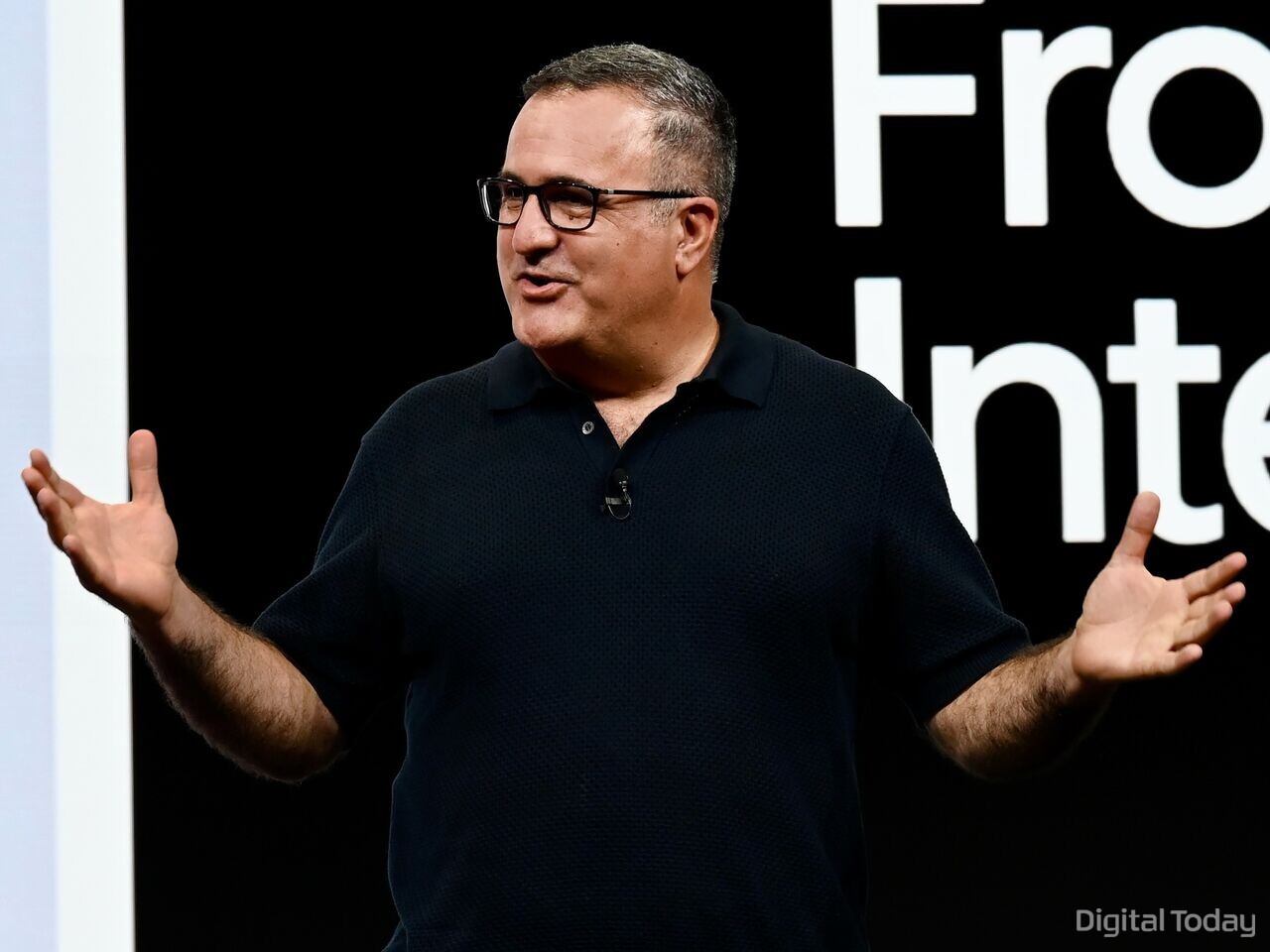
Shahram Izadi (샤람 이자디), a Google vice president and GM of the XR division, said in a keynote at the Qualcomm Snapdragon Summit in Maui, Hawaii, on Sept. 23 local time that the future of personal computing is not defined by a single device. He said an integrated platform combining silicon, computing and AI is needed to deliver personal AI that understands a user's context and intent across multiple devices during the day.
Ziad Asghar (지아드 아스가르), a Qualcomm senior vice president and head of the XR, wearable and personal AI unit, also said smartphones will remain the hub of agentic experiences, but personalised AI needs devices that can be worn on the body. Wearables are always on the body, making them more convenient than taking a phone out of a pocket or bag, he said. He said wearables see what users see and hear what they hear, and pass different contexts from each device to AI.
Google optimised Android XR, developed with Samsung Electronics, for Snapdragon XR platforms. Izadi introduced Android XR as the first Android platform of the Gemini era to support a wide range of forms from headsets to glasses.
The first device, Samsung Electronics' Galaxy XR, is an immersive headset that provides virtual workspaces, large-screen video and 3D games. Users can ask Gemini about what they see in front of them or get help during gameplay. XREAL Aura is wired XR glasses that run Android XR on a separate hub to reduce the weight of the glasses. Users can use a virtual workspace on a plane or in a cafe, and can connect a laptop or handheld game device to the hub to project its screen as a window in space.
Google is also preparing AI glasses with no display. AI glasses being developed by Google with Qualcomm deliver Gemini's answers through audio. They support real-time conversation translation, navigation and responses to questions about nearby objects, and also handle music playback, photo capture and calls without taking out a phone. They are designed to recognise surrounding situations and help only when needed, it said.
On the wrist, the Snapdragon-based Pixel Watch 5 supports Gemini Intelligence. Izadi said the watch has evolved from a screen used to briefly check notifications into a device that connects health, people and information. For example, if a friend asks for a babysitter contact, the watch can display the contact immediately and send it with a finger-pinching gesture. The platforms were divided by form factor because devices differ in size and battery conditions, the article said.
Qualcomm is expanding its platforms to even the smallest, low-power devices. The keynote also introduced a demonstration in which a visually impaired person, wearing only glasses, asked about the colour of an apple. The glasses, in airplane mode, meaning on-device AI mode, answered that it was a red apple using an AI model on the device. Asghar said a low-power sensing hub uses only the necessary parts of an image to understand user context, while the Hexagon NPU and micro NPU split AI computing into stages.
Qualcomm stressed that Snapdragon AR1 and AR1+ are personal AI platforms that support multimodal 1-bit models. The 1-bit model significantly reduces memory use, helping smaller devices run larger AI models. Qualcomm has worked with Meta since early smart glasses and supplies Snapdragon to Snap's AR glasses and Samsung Electronics' watch and XR devices.
Additional devices will be released in sequence this year. Starting with XREAL Aura, devices equipped with the Snapdragon Reality Elite platform for the first time will be released soon. AI glasses will be launched this year with eyewear brands including Gentle Monster and will use Snapdragon AR1. Izadi said, "We will show you more in the coming months."
 Daegeon Seok
d2dg@d-today.co.kr
Daegeon Seok
d2dg@d-today.co.kr