
General Motors has put key minerals recovered from end-of-life electric vehicle batteries back into new batteries and used them to produce EVs that will be delivered to customers. It is a case in which used-battery recycling moved beyond research and testing and into a new-vehicle supply chain.
On Sept. 22 (local time), GM said it ran a closed-loop recycling pilot programme with partners including battery recycler Cirba Solutions. It dismantled 80 end-of-life GM EV batteries, recovered black mass containing nickel, cobalt, manganese and lithium, and refined it back into battery materials.
The process produced more than 12 tons of cathode active material. The nickel, cobalt and manganese used in it were made up of 100 percent recycled material. That does not mean the entire battery, or all raw materials, were 100 percent recycled. GM said cells containing recycled material met the same quality, safety and performance standards as cells made with new raw materials.
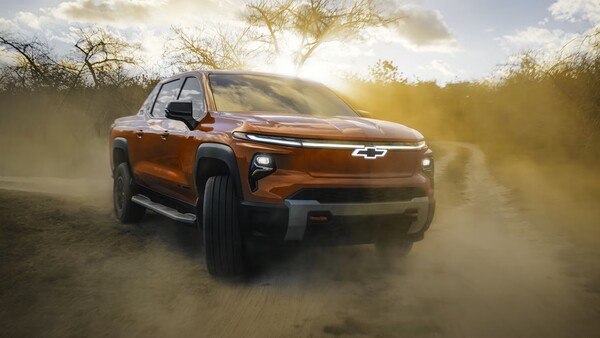
Ultium Cells produced new battery cells using the cathode material, and GM assembled them into packs and installed them in the Cadillac Lyriq, Lyriq-V, Vistiq, Escalade IQ and IQL, the Chevrolet Silverado EV Trail Boss, and the GMC Sierra EV AT4. The vehicles rolled off production lines this month and are set for delivery to customers.
GM said current technology allows it to recover up to 95 percent of nickel, cobalt and manganese and up to 80 percent of lithium, depending on battery chemistry and processes. Expanding recycling is seen as a way to cut dependence on newly mined minerals and reduce battery raw-material costs and supply chain burdens.
GM is also pushing a business to reuse batteries as energy storage systems before recycling them. It plans to build a circular battery ecosystem with Redwood Materials by deploying about 10,000 “second life” batteries into energy infrastructure and then recovering raw materials again when they reach the end of their final life.
 Jae-won Choi
ittt_0801@d-today.co.kr
Jae-won Choi
ittt_0801@d-today.co.kr