
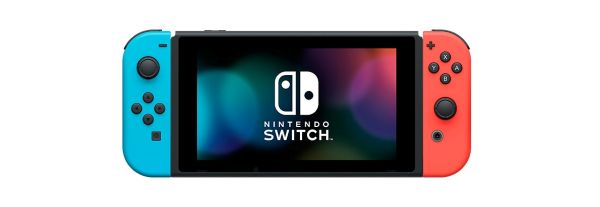
The original Nintendo Switch is entering a full generational transition, but current devices will not become unusable right away. As Nintendo gradually scales back its hardware business, it plans to keep key services such as the eShop and Nintendo Switch Online running for the time being. That means the first-generation Switch is moving toward a phased wind-down rather than a blanket shutdown.
On Aug. 31 local time, IT outlet Engadget reported that Nintendo has not announced a separate date for ending all services for the original Switch.
The Switch ecosystem is not shutting down all at once. Hardware sales, the digital store, software and online functions are being reduced at different times.
A console does not suddenly stop working at a certain point. Even if hardware sales are halted first, existing devices can keep running, and users can buy digital games as long as the eShop remains available. Even after new releases decline, it is still possible to play existing games.
The situation facing the original Switch now is similar. Nintendo is gradually scaling back its Switch business, but it has not set a date for ending the overall system. Instead, it said major Switch-related services, including the eShop and Nintendo Switch Online, will continue operating for the time being.
As a result, users who already own a Switch do not need to replace their devices immediately. Even if hardware sales shrink or new releases decline, they can keep using the consoles they have and the games they already own.
Nintendo is also operating its services on the premise that existing devices can keep working through these changes. That means new device sales, continued support for existing services and reduced content supply are not structured to happen all on the same day.
Nintendo in particular explained that the Switch ecosystem will be wrapped up in stages. That suggests the Switch will not disappear overnight, and that hardware, software and online functions could be scaled back sequentially.
For users, that means there is a need to watch which functions and services are reduced first rather than rushing to replace devices. The end of hardware sales, closure of the eShop, termination of online services and a decline in new releases could occur at different times.
One factor in the background is that the original Switch is nearing its 10th anniversary since launch. But Nintendo does not decide to end services based only on how much time has passed since release.
In the console market, digital stores, sales of existing titles and online services are sometimes maintained for a considerable period even after hardware sales stop. The Switch is also increasingly likely to follow this kind of phased transition path.
There are three main points to watch. First is how far Nintendo expands the scope of its cutback in Switch hardware sales. Next is how much of the eShop and Nintendo Switch Online are actually maintained. The final issue is the pace at which new releases decline and how long sales of existing titles continue, which is expected to shape the Switch lifespan as users experience it.
What is clear so far is that the original Switch is not ending immediately. Nintendo has not set a firm overall end date, and it plans to keep major online services running for the time being. Ultimately, one analysis is that the next stage for the first-generation Switch is closer to a gradual generational transition than an end.
 Jinju Hong (홍진주)
hongjj@d-today.co.kr
Jinju Hong (홍진주)
hongjj@d-today.co.kr