
[DigitalToday reporter Choi Jae-won (최재원)] Nintendo's worst-performing game console was the Virtual Boy released in 1995, not the GameCube or Wii U. The Virtual Boy disappeared from the market in under a year and sold fewer than 1 million units.
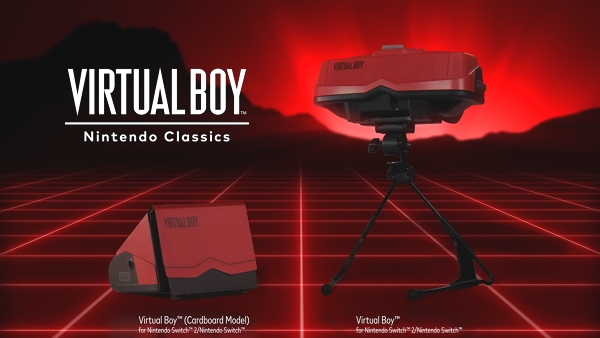
According to IT outlet Engadget on Aug. 30, the Virtual Boy was unlike a home console or handheld device. Users placed the main unit on a tabletop stand and looked into a binocular-like viewfinder with their face. Its core feature was stereoscopic 3D technology that showed different images to each eye.
Actual usability was poor. Its design required users to lean forward for long periods, which was uncomfortable. The screen also showed only red graphics on a black background. Many users complained of eye strain, headaches and motion sickness due to the 3D display. Nintendo even included a feature recommending a break about every 15 minutes.
A lack of content also held it back. Titles including "Mario's Tennis," "Teleroboxer" and "Virtual Boy Wario Land" were released, but Nintendo's flagship franchises such as Zelda, Metroid and Kirby barely appeared. Many games were short and simple, drawing assessments that they were closer to demos for testing new technology.
The Virtual Boy launched in Japan and North America in 1995 and was not officially released in Europe. Sales were about 770,000 units, Nintendo said in June 1996. Compared with the Wii U, which ended with 13.56 million units, and the GameCube, which logged 21.74 million, the scale of the failure stands out.
More than 30 years later, the Virtual Boy has reappeared this year. Nintendo added Virtual Boy Nintendo Classics to "Nintendo Switch Online + Expansion Pack" in February, allowing older games to be played on Switch and Switch 2. An accessory that the console plugs into is required to implement stereoscopic visuals.
The Virtual Boy remains one of Nintendo's shortest-lived and worst-performing consoles as an overly advanced idea, uncomfortable hardware and a lack of games combined. At the same time, its value in gaming history is drawing attention again because it lets people experience a failed experiment 30 years on.
 Choi Jae-won
ittt_0801@d-today.co.kr
Choi Jae-won
ittt_0801@d-today.co.kr