
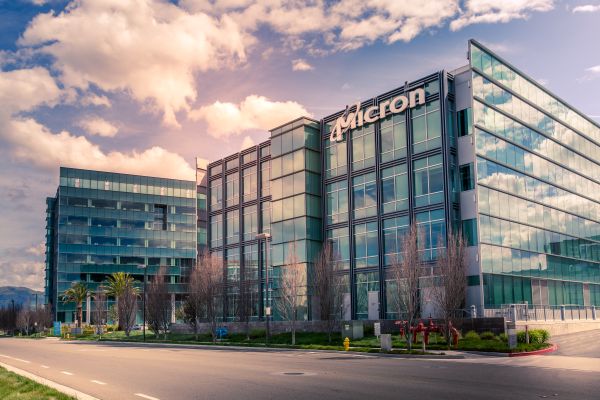
Micron's large-scale expansion of its semiconductor plants is changing local employment, spending and the property market in Boise, Idaho, online media outlet Gigazine reported on Aug. 25 local time.
As AI demand rapidly reshapes the memory semiconductor industry, the Boise area, where Micron is headquartered, is seeing a fast rise in new jobs and local development. It is also experiencing side effects such as traffic congestion and higher housing costs.
The key is the scale of Micron's investment. Micron is building 2 new semiconductor manufacturing facilities in Boise, and the first plant is targeted to begin operations in 2027. The company already employs about 7,000 people in Boise and nearby areas, and it expects the new plants to create more than 17,000 additional jobs. The move is clearly positive for the local economy, but it is also drawing attention because the changes are large enough to reshape the structure of the surrounding cities.
Boise's changes are showing up first in consumer spending. One jeweler said 2026 sales rose 60 percent from a year earlier. In the property market, more outside workers who plan to stay only briefly are buying homes. The shift reflects Micron employees' spending spilling into local retail districts and the housing market after they received large rewards from a sharp rise in Micron's share price. A local resident said, "Even 5 years ago, nobody carried luxury bags. Now everyone does."
Restaurants and downtown development are following the same trend. A leading restaurant in Boise has started offering an expensive dinner menu, and it has become a frequent spot for Micron employees entertaining clients. Restaurant operator Chris Komori (크리스 코모리) said, "When I moved here in 2013, there weren't as many hotels or high-rise buildings as there are now, and there were far fewer restaurants." He added, "Now, it is hard to find a place without construction while walking a single block."
Rising share prices are also cited as an example of the market mood. Boise investor Dave Petho (데이브 페초) recalled that Micron used to be "a boring tech company for a long time and a terrible investment." But after the AI boom, the share price rose more than tenfold in 2 years, and he said his main job now has become "helping Micron employees diversify their assets." It means the number of newly wealthy people in the area is rising quickly.
These changes are also increasing the burden on the local community. In Boise, complaints are emerging about chronic congestion on city roads and interstates, rising housing costs, and changes to local culture and scenery driven by an inflow of outsiders. Critics also say that as Boise, once a low-cost city, gradually turns into a wealthier one, the gap is widening between existing residents who cannot keep up with the pace of change and newly arriving workers.
Micron is also aware of these side effects and has begun responding. The company is working with the government on development plans to reduce the impact of rapid population growth on surrounding areas. It is already building childcare facilities for employees and plans to invest $75 million over the next 10 years in talent development, education and local development across Idaho.
The case shows that AI and expanded semiconductor investment do not stop at boosting production capacity, but also change the employment structure, spending patterns and housing environment in areas where plants are built. In Boise, the benefits and the burden of the semiconductor boom are growing at the same pace.
 Jinju Hong
hongjj@d-today.co.kr
Jinju Hong
hongjj@d-today.co.kr