
[DigitalToday reporter Jinju Hong (홍진주)] The biggest difference between Android Auto and Android Automotive is whether they depend on a smartphone, the IT media outlet Engadget reported on Aug. 23 local time.
Android Auto is run by an Android smartphone, while Android Automotive OS runs directly on the vehicle’s hardware.
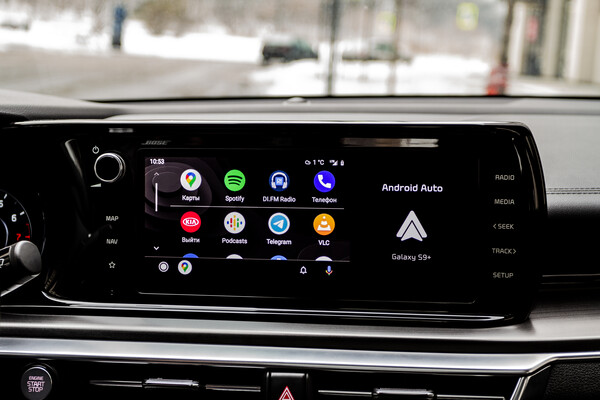
Android Auto is more familiar to domestic consumers. The service connects a smartphone to a vehicle and shows a driving-friendly interface on the vehicle display. Users can use navigation, music, messages and supported apps on the car screen. As Google’s in-car interface, it was introduced as a service that responds to Apple CarPlay.
The connection method is also smartphone-centric. Android Auto can be used via USB or wirelessly. Which method is available depends on what the smartphone and vehicle support. Engadget described Android Auto as an experience that most drivers will find more familiar.
Android Automotive OS is different from the ground up. The operating system runs on the car’s own hardware. Because the smartphone does not handle the core computing, the key point is that the vehicle itself runs the system. Engadget called it a product of a completely different nature.
This difference separates not only how they are used but also their roles. Android Auto largely extends smartphone functions to the vehicle display. Android Automotive, by contrast, operates as an operating system built into the vehicle. Users can use the vehicle system itself without connecting a smartphone. Engadget also explained Android Automotive OS by saying, "The smartphone does not need to handle the heavy work."
The distinction becomes more complicated when Google Built-in is added. The key point in this explanation, however, is that Android Auto and Android Automotive should not be seen as the same product. The names are similar, but one is a smartphone-based vehicle integration service and the other is an operating system installed directly in the car.
This difference should be considered first when choosing in-vehicle software. The user experience differs depending on whether the driver connects and uses their smartphone on the car screen or whether the vehicle itself has an Android-based system built in. In the end, the dividing line between the two platforms is not the number of functions but where the system runs.
 Jinju Hong
hongjj@d-today.co.kr
Jinju Hong
hongjj@d-today.co.kr