
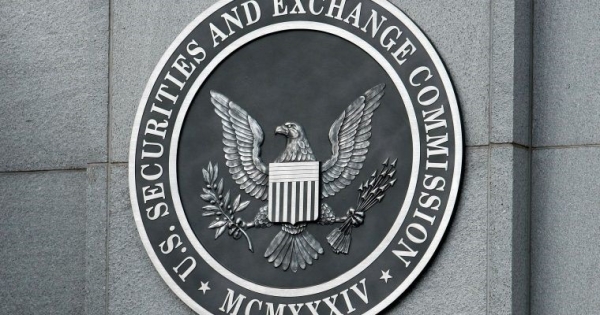
The U.S. Securities and Exchange Commission and the Commodity Futures Trading Commission filed separate civil lawsuits against Goliath Ventures and its founder, Christopher Delgado (크리스토퍼 델가도), over alleged crypto Ponzi fraud involving more than $400 million. Cointelegraph reported on Tuesday that the two agencies are also seeking investor restitution, civil penalties and limits on market participation, separate from a criminal case in which a guilty plea has already been entered.
The SEC said Goliath Ventures raised at least $425 million from more than 1,300 people through an unregistered securities offering. The company promoted that it could deliver monthly returns of 3 to 10 percent by placing investor funds into crypto liquidity pools, and that principal was guaranteed.
But the SEC said no funds or crypto assets were actually invested. It said money from new and existing investors was used to pay earlier investors, and that account balances and performance metrics were manipulated. The SEC put the amount Delgado diverted for personal use at at least $51 million.
The CFTC said about 1,600 customers paid at least $397 million after being told the money would be used for Bitcoin and Ether trading. The CFTC sought return of investor funds, disgorgement, civil monetary penalties, trading and registration bans, and a permanent injunction.
Goliath Ventures also paid commissions to sales agents while soliciting investors. But in November 2025 it was unable to bring in additional funds quickly enough to meet its obligations, halted monthly distributions and collapsed.
Delgado previously pleaded guilty to conspiracy to commit wire fraud, wire fraud and money laundering. The U.S. Department of Justice said on June 30 that at least $400 million had been paid to Goliath and that Delgado also admitted causing investor losses of at least $250 million. Delgado also agreed to forfeit related real estate and vehicles, luxury goods, bank accounts and crypto wallets.
Delgado also agreed to a separate settlement with the SEC subject to court approval. If the court accepts it, Delgado would be barred from again violating the securities law provisions cited in the complaint. He would also be barred from participating in securities transactions, except for activity in personal accounts, and from associating with brokers or dealers. The court will determine disgorgement, pre-judgment interest and the size of any civil penalty.
 Chi-gyu Hwang
delight@d-today.co.kr
Chi-gyu Hwang
delight@d-today.co.kr