
[Digital Today reporter Jinju Hong] New York Attorney General Letitia James (레티샤 제임스) raised strong concerns that a crypto market-structure bill being discussed in the U.S. Congress could weaken state oversight and enforcement powers. She said that even if a federal regulatory framework is established, states must retain their powers to investigate fraud and protect consumers.
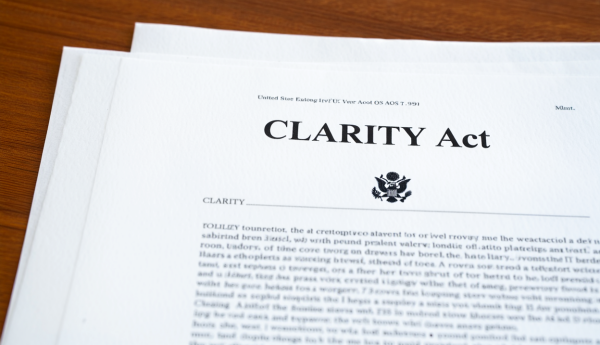
According to blockchain media outlet Cointelegraph on July 27, James said in written testimony submitted to a U.S. Senate Permanent Subcommittee on Investigations that the Digital Asset Market CLARITY Act could effectively neutralise states' regulatory authority over digital asset markets and concentrate oversight power in the U.S. Commodity Futures Trading Commission (CFTC). She argued that such a structure could weaken investigative and law enforcement capacity at state and local levels.
James said she was not opposed to building a federal regulatory framework itself, but stressed that the role of state governments must be preserved to protect consumers. She said Congress should strengthen oversight of crypto companies, but added that it must not curtail state authority needed for fraud investigations and holding platforms accountable.
As the backdrop to her argument, she cited a recent surge in crypto-related 피해 cases. Complaints related to crypto fraud received by the New York attorney general's office have risen about threefold over the past three years, and reported losses over the past five years totalled about $500 million. She said these figures show that stronger consumer protection safeguards are needed than under the current system.
She also urged tighter regulation of crypto exchanges and platforms. She said requirements should be mandated for anti-money laundering (AML), know-your-customer (KYC) and cybersecurity, along with systems to monitor market manipulation and suspicious transactions. She also argued that platforms and intermediaries should bear financial responsibility if they fail to protect users from fraud.
She also presented proposals to block illicit funds. James proposed banning the conversion into U.S. dollars of crypto linked to crypto mixers or crypto that is hard to trace. She also stressed that existing state laws on money transmission, commodities and securities, including in New York, must remain in place, and that federal legislation must not replace existing state legal frameworks.
She also mentioned conflicts of interest in the regulatory process. She argued that ethical standards should be established to prevent elected officials with a financial interest in the crypto industry, or people who had worked in government until recently, from handling related regulation. She said safeguards against conflicts of interest should be strengthened as regulatory authority expands.
The written opinion was submitted as the U.S. Congress seeks to build a federal-centred oversight framework through a crypto market-structure bill. The industry expects that establishing a clear federal regulatory framework will help market growth, but New York has raised as a key issue the possibility that state authority could be weakened even though states are on the front line of consumer protection and responses to fraud.
As a result, upcoming reviews of the bill are expected to focus not only on the allocation of oversight authority, but also on platform responsibility, blocking illicit funds and whether to keep existing state laws. How much of the consumer protection measures and guarantees of state authority sought by James are reflected in the final bill remains a key variable for the U.S. crypto regulatory framework.
 Jinju Hong
hongjj@d-today.co.kr
Jinju Hong
hongjj@d-today.co.kr