
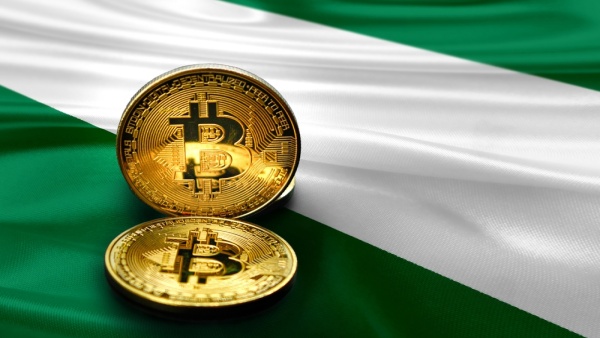
Nigeria has begun overhauling cryptocurrency regulation and the taxation system.
Cointelegraph, a blockchain outlet, reported on Sunday that Nigerian President Bola Tinubu signed an executive order aimed at reducing fragmentation in digital asset regulation.
The move focuses on coordinating supervision that is spread across multiple agencies. Bayo Onanuga, a special adviser to the president, said the order is intended to harmonise digital asset regulation and strengthen cooperation among financial authorities, revenue agencies and capital market institutions. He said the goal is to enable responsible innovation while protecting citizens from fraud and safeguarding the soundness of the financial system.
The executive order also includes establishing a virtual assets committee. The committee will include heads of Nigeria's main financial regulators and will coordinate the direction of related policy.
The government drew a line at creating a new regulator. Onanuga said the order does not create a new regulatory body or shift powers between agencies, and that each agency will retain its existing statutory authority and independence.
The supervisory approach was designed to apply registration based on business models and asset characteristics. Onanuga said registration criteria will be applied in line with the nature of activities and asset types to give operators predictability and protect the public, calling it a measure to close gaps that have allowed unregistered operators to evade oversight.
Tax changes are also being pursued. Nigeria's tax authorities plan to update policy related to digital assets and will provide additional details on the impact on taxpayers. Authorities said in January that under Nigeria's Tax Administration Act, crypto service providers must link transactions to taxpayers' identification numbers and, in some cases, also link them to national identity numbers.
The move comes as the use of digital assets in Nigeria expands. The International Monetary Fund said in a June report that Nigeria accounted for about 60 percent of stablecoin inflows into sub-Saharan Africa since 2019. It also put crypto inflows into Nigeria at about $59 billion from July 2023 to June 2024.
The IMF said a policy task linked to the spread of stablecoins in Nigeria is to reduce gaps that make circumvention tools attractive in cross-border payments. It also said new risks must remain within the scope of control, and that a clear strategy is needed that is open to innovation but based on sound macroeconomic policy and effective regulation.
Against this backdrop, Nigeria is adjusting its system to reduce oversight gaps and tax enforcement problems without blocking market growth. Observers will be watching how steadily the virtual assets committee coordinates roles among agencies and what obligations follow-up guidance from tax authorities will spell out for crypto service providers and users.
 Yoonseo Lee
yslee@d-today.co.kr
Yoonseo Lee
yslee@d-today.co.kr