
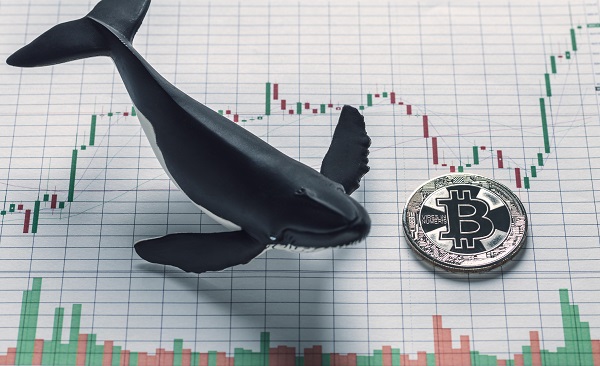
An on-chain analysis suggests a two-year selling cycle by long-term bitcoin holders has effectively ended in 2026.
Blockchain outlet U.Today reported on July 15 that Alex Thorn (알렉스 손), head of research at Galaxy Digital, said the largest distribution by bitcoin’s longest-term holders has ended and the rate at which old wallets move again has fallen by more than half from last year.
The key point is that supply from long-term holdings entering the market has weakened noticeably. Data tracked by Galaxy Research since 2016 show a repeated pattern of older coins becoming active again whenever bitcoin enters a major rally phase, such as 2017, 2021 and 2024 to 2025. Investors who held bitcoin for 1 to 10 years moved large amounts, and selling appeared in the process.
The peak of this distribution cycle was put at late 2025. At the time, monthly movements from the cohort holding for 1 to 2 years alone approached 900,000 BTC, but the trend cooled sharply in 2026. As long-term whale wallets returned to deep dormancy, selling by holders seeking to lock in gains near the peak has largely wrapped up, according to the interpretation.
Thorn viewed the change as a sign that localized selling pressure from long-term holders has disappeared. He said the market absorbed a large share of profit-taking during the past two-year rally and has since moved into a phase in which supply-demand pressure is easing.
He also directly rebutted quantum-computing concerns raised in parts of the market. Some have suggested large holders are cutting positions due to worries about bitcoin’s vulnerability to quantum computing, but Thorn said, "We work with many whales, but there were no cases where they mentioned quantum as a reason for selling."
Galaxy Digital also sees the quantum issue as more of a factor blocking new inflows than driving selling. That suggests some outside investors are delaying entry due to technological uncertainty, rather than large holders offloading bitcoin to avoid risk.
Attention is now shifting to how the supply-demand structure changes after long-term holder selling ends. With fewer movements from older wallets and less frequent supply from long-term holders, bitcoin is presented as having entered a stabilization phase. The outlet reported that quantum concerns still remain a variable that keeps some institutional money from entering.
 Yeseul Kim
yeseulkim911@d-today.co.kr
Yeseul Kim
yeseulkim911@d-today.co.kr