
Ripple considered shutting down the company soon after the U.S. Securities and Exchange Commission filed its lawsuit in 2020.
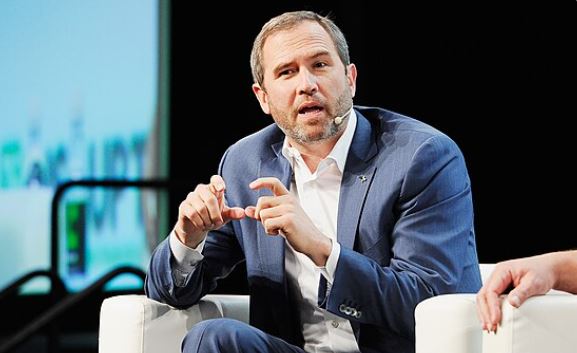
Cryptopolitan, a blockchain media outlet, reported on July 12 that Ripple CEO Brad Garlinghouse (브래드 갈링하우스) said in an interview that the company internally discussed closing and ending the dispute at the time.
Garlinghouse said one option was to distribute Ripple's XRP holdings to shareholders, declare the company would no longer hold tokens, and end the dispute. He added that in that case hundreds of employees could have lost their jobs, and said the company ultimately kept operating and chose to fight the case in court.
Ripple kept the lawsuit going for about four years and spent about $150 million on legal fees. Its U.S. business also stagnated for about five years. The SEC took issue not only with Ripple as a company but also with XRP sold by Garlinghouse personally, and offered to drop the individual case if he paid a fine while continuing the lawsuit against Ripple, but Garlinghouse rejected the proposal.
He said the SEC's core judgment rested on viewing XRP as a security rather than a currency or commodity. Garlinghouse said securities typically come with rights in a company, but XRP buyers do not receive a stake in Ripple, voting rights, board authority or dividends. Ripple raised venture funding by selling actual equity in 2012, 2015 and 2016, and he said that equity and XRP are different in nature.
Garlinghouse said the XRP ledger also cannot be controlled unilaterally by Ripple. He said Ripple holds a large amount of XRP, but because the code is open source it cannot dominate the network. He viewed XRP as an asset closer to bitcoin than to a corporate stake.
As a backdrop to the clash with the SEC, he pointed to the issue of applying existing financial laws to new technology. Asked why the SEC was hostile, Garlinghouse said, "They are lousy people," and argued that the essence was an attempt to apply old financial laws to new technology. He added that, as the internet industry was given relatively clear legal boundaries in the mid-1990s, the cryptocurrency industry has demanded clear standards but they were not accepted.
He said that when he visited the SEC from 2017 to 2019 he did not bring lawyers. He said he had never treated XRP as a security and only explained the Ripple system to SEC officials at the time. Garlinghouse said, "No one ever told me XRP could be a security."
He also questioned whether, under the SEC's logic in later suing him and Ripple together, every holder who sold XRP had also violated securities laws. He said the personal lawsuit was a means to pressure him, and criticised the SEC's response as unpleasant and unethical.
Ripple ultimately won after four years of litigation. Garlinghouse said the SEC chairman at the time tried to pursue an appeal, and that the approach changed after U.S. President Donald Trump appointed a new chairman. He added that in the final stage of the dispute the new leadership moved to direct talks with crypto companies.
The remarks show why Ripple chose a long fight instead of an early settlement or scaling back its business at the start of the lawsuit. They also brought renewed attention to the point that the debate over the nature of XRP went beyond a single dispute and was intertwined with the issue of regulatory standards for the broader cryptocurrency industry.
 Yoonseo Lee
yslee@d-today.co.kr
Yoonseo Lee
yslee@d-today.co.kr