
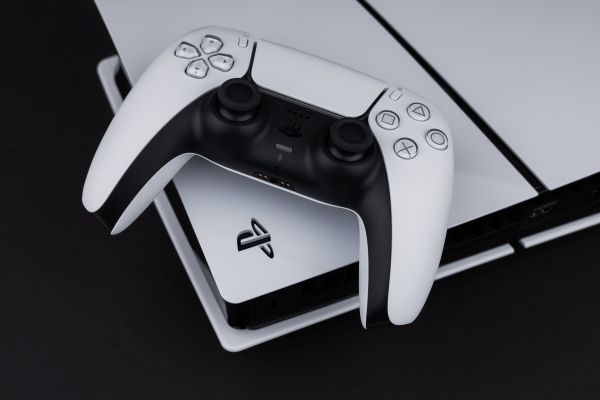
Sony will stop producing physical optical discs for new PlayStation (PS) games from January 2028.
On July 1 (local time), overseas media outlets including IT publication Ars Technica reported that Sony said in a blog post that it would sell new games only in digital form through the PlayStation Store and retail distribution channels. The decision is expected to have a significant impact not only on users but also on offline retailers and game preservation groups.
The announcement is significant in that it means the PlayStation business is effectively abandoning physical sales and moving fully to a license-based model. PlayStation optical discs have been produced by Sony subsidiary Sony Digital Audio Disc. With the halt confirmed, physical editions of future PlayStation releases will disappear.
Sony cited changes in user consumption patterns as the reason for stopping disc production. It said a preference for digital media far outpaces physical optical discs, making the shift a natural direction. In the fiscal year ended March 31, 2026, digital downloads accounted for 78 percent of total game purchases, up from 76 percent in fiscal 2024.
Sony plans to reorganise its distribution strategy around digital. It said it would continue improving its approach so players can buy new games through whichever route they want, whether retail stores or the PlayStation Store. Digital sales have already become mainstream in the game industry because games can be played immediately after purchase, updates are easier to apply and they require little physical storage space.
User reaction was mixed. The biggest issue is a reduction in consumer choice. If physical media disappears, it becomes harder to resell games, lend them to others or buy used copies more cheaply. Cody Spencer (코디 스펜서), co-owner of U.S. game retail chain Pink Gorilla Games, called it a "negative decision for gamers" and said it would mean losing the ability to sell, share and own games.
Critics point to ownership rather than convenience. Under PlayStation terms of use, buying a digital game is not ownership of the product itself but the purchase of a licence for personal, non-commercial use. Sony also states in its terms that users "do not own the product". If physical optical discs disappear, that structure will become more prominent.
The game preservation industry also voiced concerns. Frank Cifaldi (프랭크 치팔디), executive director of the Video Game History Foundation, said the move would be "a significant blow to consumer rights, the resale market and creators who rely on the physical market". Boutique publishers that have produced packaged games also pushed back.
Capcom said 93 percent of its game sales in its most recent fiscal year were digital. Spencer said physical sales of new PlayStation 5 titles have already been declining for some time, adding that immediately after the shift to digital-only, "there will not be a big change right away for most people".
Sony has been expanding a digital-only structure in stages. The PS5 was released in 2020 alongside a cheaper model without a disc drive, and the PS5 Pro requires a separate disc drive purchase to use physical games. This is not the first attempt at digital-only hardware.
Even if optical discs disappear, it does not immediately solve the issue of game preservation. Andrew Borman (앤드루 보먼) of The Strong National Museum of Play pointed out that difficulties in digital preservation have long been an issue because of reliance on online connections, frequent patches and development environments centred on digital tools. Cifaldi also said storing optical discs on a shelf cannot be a long-term solution for preserving new releases.
Such changes are also reflected in how packaged sales work. GTA VI was presented as a likely example in which, even if sold in offline stores, a box may contain only a download code rather than an optical disc. Cifaldi urged industry groups to present practical solutions so archives and museums can legally preserve and use digital-only content for research.
 Seung-a Yoo (유승아)
ysah@d-today.co.kr
Seung-a Yoo (유승아)
ysah@d-today.co.kr