
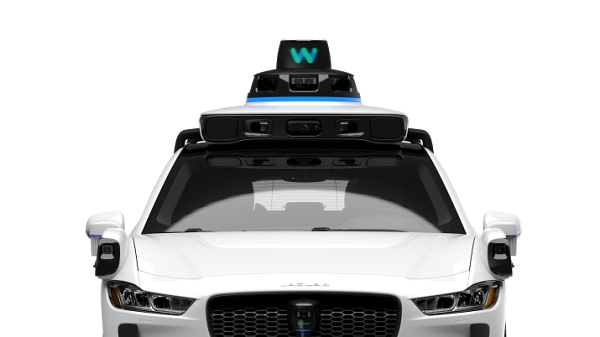
Waymo robotaxi hailing via the Uber app has ended in Phoenix, Arizona.
CNBC reported on June 29 that the two companies ended the Phoenix pilot and decided the vehicles will continue operating locally for other uses.
The end is more than a simple regional service adjustment. Uber has promoted a strategy of becoming the core platform that connects demand even in the era of autonomous driving services. Uber has partnered with major autonomous vehicle developers other than Tesla. With the pilot ending in Phoenix, its first collaboration market, attention is focusing on competition over control of robotaxi distribution.
Uber said the Phoenix business was a test operation designed from the start to be limited. In a statement, Uber said Phoenix was its first pilot market with Waymo and that it intentionally deployed a limited number of dedicated vehicles, at about 10. Uber said it learned a lot through the partnership and that the experience helped it scale rapidly in Austin and Atlanta. In those two cities, hundreds of Waymo self-driving vehicles are being offered exclusively on Uber, and the service area continues to expand.
Waymo also did not play down the significance of the partnership. Waymo said its work with Uber was a productive pilot that laid the foundation for future global expansion and partnerships.
Vehicles deployed for Uber in Phoenix are not being withdrawn completely. Waymo, a sister company of Google, will keep operating the vehicles it deployed locally in Phoenix. But instead of passenger hailing, they will be used for autonomous deliveries via DoorDash. DoorDash is a delivery service that competes with Uber Eats.
Waymo's business model differs by region. Waymo operates about 4,000 self-driving vehicles in the United States, and in Austin and Atlanta it offers driverless ride services only through Uber. In nine other cities, it mainly operates robotaxis through its own app, and in some areas offers a limited service linked to public transit.
Waymo plans to launch a robotaxi service in Nashville via Lyft later this year. The service is not an exclusive contract. With its tie-up with an Uber rival confirmed, it is also becoming clear that Waymo is opting for a region-by-region diversification strategy rather than exclusive dependence on a specific hailing platform.
Grayson Brulte (그레이슨 브룰트), founder of autonomous driving industry research firm Autonomy AI, announced the end on social media on June 29. The Phoenix pilot had already ended about a month earlier.
Tesla's early robotaxi service is currently being operated on a limited basis with 69 registered automated vehicles in Texas. As Waymo broadens its model to include its own app, Uber and soon Lyft, competition in the robotaxi market is expected to continue over which platform will capture actual demand.
 Jinju Hong
hongjj@d-today.co.kr
Jinju Hong
hongjj@d-today.co.kr