
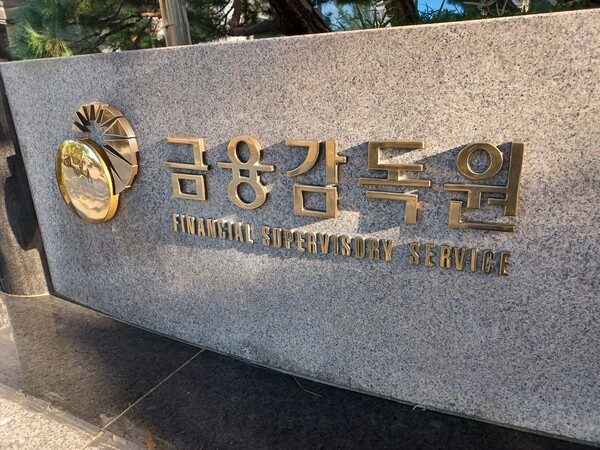
South Korea's Financial Supervisory Service has urged the banking industry to build internal control systems in line with broader adoption of AI. As the use of AI technology spreads across financial operations, it said, banks need governance and control standards that can manage hard-to-predict risks in advance.
The FSS said on June 29 it held a "first-half 2026 banking industry internal control workshop" at its headquarters in Seoul's Yeouido. About 170 people attended, including internal control officials from eight bank holding companies and 20 banks.
In opening remarks, FSS deputy governor for banking Beom-jun Kwak (곽범준) called for internal controls to ensure safe AI adoption, an organisational culture to prevent financial accidents and stronger protection systems for vulnerable groups.
The workshop featured an outside expert lecture and case presentations by banks under the theme of "internal controls in the AI era". Anjin Accounting Corporation presented an internal control framework tied to AI adoption and proposed governance, links to operational risks, data and model management, operational and post-management, and explainability as key pillars.
Shinhan Bank and KakaoBank presented as banking industry cases. Shinhan Bank shared an implementation case of an "anomaly detection AI agent". KakaoBank presented its management system by AI life cycle and examples of operating its phased AI governance project.
The FSS also shared the results of a special check on the governance structures of bank holding companies. It said that while there have been outward improvements since best practices for governance were 마련, cases were found in which some had weak functions to check management or ran CEO succession procedures only formally.
On the diversion of business loans for purposes other than their intended use, it called for stronger follow-up inspections.
It also said internal control checks related to the Personal Debtor Protection Act found cases of violations of debtors' rights across the entire process from delinquency management to debt restructuring. It cited key examples including improper applications for home auctions, violations of limits on the number of debt collection contacts, and failure to notify borrowers of planned loss of the benefit of time and planned transfers of claims.
The FSS said it would impose strict sanctions for legal violations and guide banks to immediately fix shortcomings in business frameworks and systems. It added it would continue to communicate with the banking industry through internal control workshops and meetings.
 Ji-young Lee
ljy@d-today.co.kr
Ji-young Lee
ljy@d-today.co.kr