
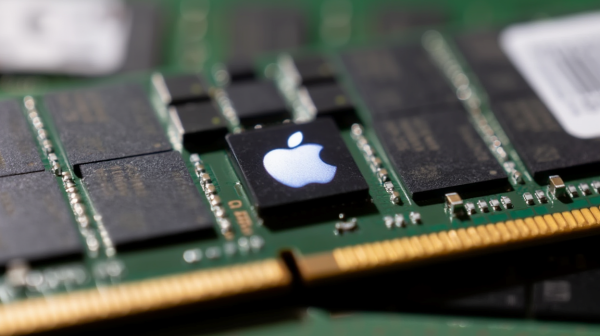
Apple has sharply raised prices for major products, citing a memory supply shortage, and attention is focusing on whether it will lower prices again if memory prices stabilise. The company explained the increase was unavoidable, but there is also speculation it may keep current prices even after cost pressures ease.
On June 26, IT outlet 9to5Mac reported that Apple pushed through price hikes for major products about a week after Chief Executive Tim Cook warned of a memory supply shortfall.
The scope and speed of the increases were both unusual. Apple TV 4K recorded the biggest percentage rise, with its price up 55 percent from before. By amount, Mac Studio saw the largest adjustment, rising by as much as $500. MacBook Neo, which had drawn attention for its low-price strategy, also did not avoid a price increase. Some products held prices, but those were closer to exceptions.
Apple explained that price increases were unavoidable as memory and key component prices rose without precedent with the spread of AI data centres. The company acknowledged the decision was a burden for consumers, but said it was "working tirelessly to solve the problem."
The market is paying attention to that remark. That is because some interpret it as suggesting the possibility of reversing the latest increases once the memory supply shortage is resolved and RAM prices return to normal levels.
But whether price cuts will actually happen is uncertain. The key is Apple's profitability judgement. If it decides that the benefit of higher profit per product outweighs any sales decline after the hikes, the current pricing structure is likely to remain in place, an analysis said. That means even if supply-chain costs normalise, Apple may have little incentive to lower prices again. The previous increases could effectively become a new baseline.
This price adjustment is meaningful because it goes beyond a simple product price increase and shows that the expansion of AI infrastructure is beginning to directly affect consumer electronics prices. Data centre investment has surged amid competition in generative AI, driving explosive growth in memory demand, and that burden has ultimately fed into consumer product prices.
Apple said the move was a response to a temporary rise in costs, but it did not clearly state whether it would apply the same logic and move to cut prices if costs fall in the future.
As a result, market attention is focusing on two issues. One is when the memory supply shortage driven by expanding AI data centre investment will be resolved. The other is whether Apple will reflect stabilised prices for RAM and key components in product prices.
In the industry, some view that if Apple keeps current prices even as supply-chain costs fall, the increase may not be a simple temporary response but could lead to a long-term reshaping of its pricing structure. This could be a moment that shortages of components in the AI era change the price structure of consumer electronics, an analysis said.
 Jinju Hong
hongjj@d-today.co.kr
Jinju Hong
hongjj@d-today.co.kr