
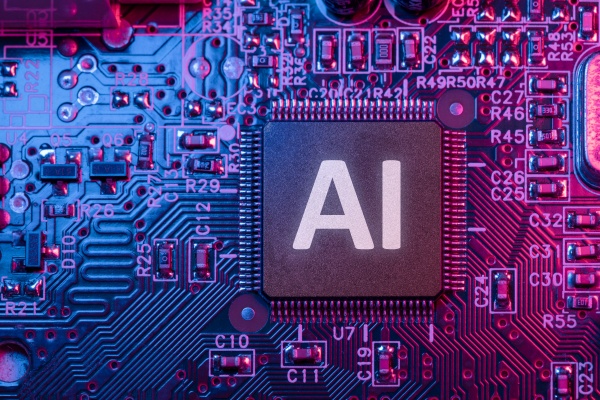
As AI data centres spread, surging demand for memory and storage is creating a chain reaction that is also pushing up prices for consumer electronics. Apple has raised prices for some products, citing a sharp rise in component prices. Elon Musk has also voiced public concern, saying a shortage of memory supply is emerging as a key bottleneck across the AI industry.
On June 28 (local time), electric vehicle outlet CleanTechnica and Business Insider reported that Apple CEO Tim Cook said recent price spikes in memory and storage driven by the expansion of AI data centres made price increases for some products unavoidable.
Apple has started raising prices for some products including iPads and Macs. Prices of major products such as MacBooks, iMacs, HomePods and Apple TV have also risen, with some models increasing by as much as $300.
Apple explained that AI data centres are growing at an unprecedented pace, sending demand for memory and storage surging. As a result, component prices have risen sharply in a very short period. It said it had absorbed the higher costs so far, but they have reached a level that is no longer manageable.
Musk also publicly agreed with Cook's assessment. Musk shared on X a post in which Cook described the memory shortage as a "once-in-a-century flood" and called it "the biggest price surge of any item I have ever seen". He added that the production shortfall relative to demand was "absurd" and that "much higher production is needed". He implied it would be difficult to resolve the current price instability without expanding supply.
Behind the instability in memory supply and demand is a race to invest in AI data centres. As generative AI services spread, hyperscalers and big tech companies are building large-scale data centres in succession, concentrating a significant portion of memory manufacturing capacity on AI servers. As a result, supply for consumer electronics is shrinking and prices are rising quickly.
The impact is not limited to Apple. Microsoft also announced it will raise prices for Xbox game consoles by as much as $150 from Aug. 1. The rise in memory prices is spilling beyond individual parts markets into broader consumer hardware price increases.
Musk has previously pointed to memory shortages as the biggest constraint in expanding Tesla's AI business. He said on a Tesla earnings conference call in January that "memory is a bigger bottleneck than AI logic" and that chip suppliers' production capacity could limit the pace of future AI development.
To respond, Tesla is also pursuing a multibillion-dollar 'Tesla Terafab' project with SpaceX and Intel to produce logic semiconductors, memory and advanced packaging in one place. The move reflects a view that the race for AI infrastructure is ultimately leading to competition to secure semiconductor supply chains.
The problem is that the expansion of AI infrastructure does not stop at higher memory prices. Mega-sized data centres require huge amounts of power and cooling equipment, also placing a burden on local communities.
CleanTechnica cited a large data centre being pursued in northern Utah as an example. The facility, when completed, is reported to be capable of consuming power equivalent to about twice Utah's current total electricity use.
Robert Davies, a physics professor at Utah State University, warned the facility could create a large-scale heat island effect that could damage the local ecosystem. He said the project could expand to an area similar in size to Washington, D.C., and suggested it could raise nearby nighttime temperatures by as much as 28 degrees Fahrenheit.
With industry expecting AI data centre investment to keep expanding, it sees a strong possibility that consumer electronics price increases and power burdens will persist for some time if memory and storage supply fails to keep up with the pace of demand growth. It also sees the AI race emerging as a new factor shaking semiconductor supply chains, consumer product prices and energy infrastructure.
 Jinju Hong
hongjj@d-today.co.kr
Jinju Hong
hongjj@d-today.co.kr