
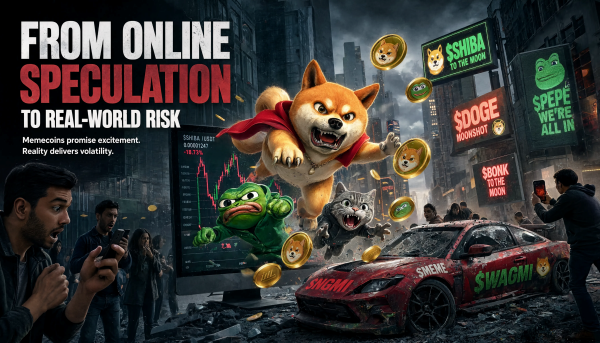
Controversy is growing as meme coin marketing spreads beyond online promotion into the real world in ways that encourage self-harm and risky behavior. Experts say competition to attract attention is intensifying, raising calls for greater platform responsibility and regulation.
Cointelegraph, a blockchain outlet, reported on June 24 that Pump.fun, a Solana-based token issuance platform, is facing criticism for running a promotional program that rewards users with cryptocurrency and allegedly used risky acts such as shaving heads, heavy drinking and tattoos as marketing tools.
The background to the controversy lies in how meme coins form value. While typical blockchain projects stress practical utility such as technology, payment functions, infrastructure and decentralised applications (DApps), meme coins often derive value from internet culture, buzz and community interest. Cointelegraph said, "The value of a meme coin ultimately depends on how many people see it, share it and talk about it."
Pump.fun has reinforced that structure. By allowing anyone to issue a new token within minutes at low cost, it has led to a flood of meme coins and created an environment where ways to draw attention, rather than technology, become a competitive edge.
In particular, its reward-based marketplace, GO, lets users pay cryptocurrency to ask others to carry out specific promotional activities. Some tasks have been criticised for leading to extreme performances involving the body.
Real cases have also emerged. One user living in Tamil Nadu, India, is reported to have tattooed the token ticker "$boutywork" on his forehead to receive a reward. The outlet described the scene as an act to promote a fleeting internet trend that resulted in a permanent physical mark. Interest in the token did not last long, and market attention quickly shifted to other meme coins.
Industry participants worry the structure increasingly encourages more provocative behavior. Stronger performances draw more views and attention, which in turn feeds token trading and price increases. Some also say the controversy itself is being consumed as a promotional tool.
Some argue not all participation can be criticised unilaterally. They say it is not much different from existing internet challenges or influencer marketing, as participants voluntarily choose actions to gain money or attention.
Critics counter that participants facing economic hardship may be more likely to underestimate long-term risks when drawn by short-term rewards. They also say platforms indirectly benefit from higher trading volumes driven by provocative content.
This is not the first controversy around Pump.fun. When it operated a livestreaming feature, some users broadcast sexually explicit content, threatening actions and excessive performances to attract investor attention. The company temporarily suspended the feature, then resumed the service after strengthening moderation tools.
Such cases are also feeding concerns about a regulatory gap. Experts say the legal nature of reward-based promotional programs is unclear, including whether they are simple marketing, risk-bearing labour, or promotional acts designed to induce investment.
As a result, it has been suggested that consumer protection authorities may review whether participants were adequately warned of risks, labour authorities may consider whether protections are needed for economically vulnerable groups, and financial regulators may examine whether token rewards amount to investment solicitation.
The industry says new challenges for the meme coin ecosystem will include how far platforms limit dangerous promotional tasks and what level of activity users accept as permissible marketing.
 Jinju Hong
hongjj@d-today.co.kr
Jinju Hong
hongjj@d-today.co.kr