
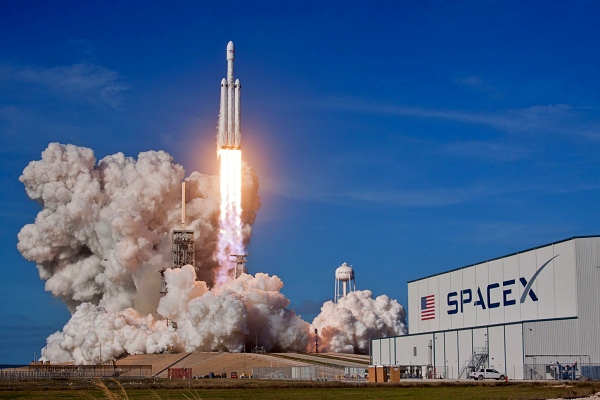
U.S. Senator Elizabeth Warren (엘리자베스 워런) called for an official response from the U.S. Securities and Exchange Commission to delay SpaceX's initial public offering.
On June 10, CNBC reported that Warren sent a letter to the SEC urging it to slow the listing process, citing concerns over SpaceX's valuation, corporate governance and investor protection.
Warren argued that a SpaceX listing could pose an unusual threat to investor protection and market soundness. In the letter, she said, "the biggest IPO in history poses an unprecedented threat to investor protection and market integrity," and said the effectiveness of the registration statement should not be rushed.
There are three main issues. First, Warren said that accounting treatment and valuation could be inaccurate or misleading in SpaceX's process of acquiring Elon Musk-owned xAI. She also cited as a problem that Musk, who holds a controlling stake, could exercise his authority with virtually no checks. She wrote that Musk's "unprecedentedly unchecked authority" could lead to conflicts of interest.
Inclusion in market indexes was also raised as a key issue. Warren said that if SpaceX is quickly included in major stock indexes, it could expose not only active investors but also index fund investors to risk. She said investors who pick individual stocks can avoid companies with risky or unfair practices, but this IPO creates "a new concern that millions of index fund investors could be exposed to SpaceX risk without any choice."
SpaceX is set to make its market debut on June 12. The company is aiming for the largest fundraising ever and a historic level of valuation. Its listing structure is also designed differently from a typical IPO. SpaceX was reported to have presented a single price of $135 per share, rather than a typical IPO price band that is adjusted depending on demand. It is effectively a take-it-or-leave-it price offer.
The allocation for retail investors is also unusually high. SpaceX is reported to be pursuing a plan to allocate about 30 percent of the total shares to retail investors. That amounts to about $22.5 billion. The larger the retail allocation in a major IPO, the greater the controversy can become over post-listing stock volatility and the scope of investor exposure.
The letter is shifting the debate over the SpaceX listing beyond simple expectations of blockbuster demand to accounting transparency, controlling shareholder power and the structure of inflows linked to index inclusion. It has not yet been confirmed whether the SEC will actually adjust the listing schedule, but the SpaceX IPO is emerging as a test case for listing structures and investor protection standards.
 Seung-ah Yoo
ysah@d-today.co.kr
Seung-ah Yoo
ysah@d-today.co.kr