
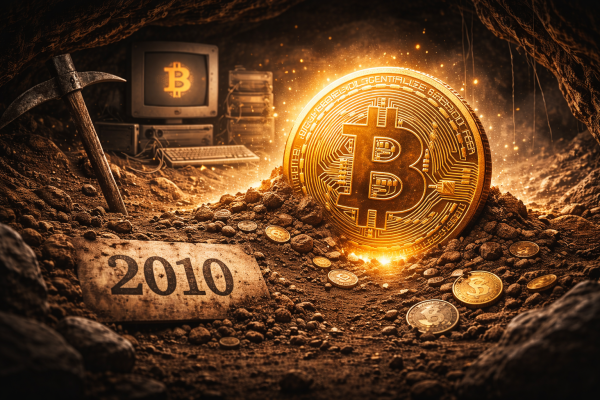
Twenty BTC was transferred on May 31 from an early bitcoin wallet that had not moved since August 2010.
Blockchain outlet BeInCrypto said Galaxy Research confirmed the move at block 951828, worth about $1.47 million at current prices.
The address starts with the wallet “1CDSyXAQxro4FPUoqAQb” and had remained dormant for a long period after it last received bitcoin about 16 years ago. That period overlaps with the time when early bitcoin mining rigs were coming into full operation. At the time, central processing unit (CPU)-based mining was common and the number of network participants was limited.
Analysts said it was unlikely the move involved holdings of Satoshi Nakamoto. Alex Thorn (알렉스 손), head of research at Galaxy Digital, said, “Satoshi-era coins moved this morning,” but added, “It is not suspected to be Satoshi’s coins.” Galaxy Research distinguishes between wallets believed to be linked to Satoshi and other early wallets based on on-chain heuristics, and judged that the 20 BTC did not match patterns associated with Satoshi-related movements.
The market impact was also limited. Bitcoin traded around $73,608 around the time of the transfer and was down 0.3 percent on the day. The 20 BTC is negligible compared with bitcoin’s daily spot trading volume of about $16.3 billion. It was also confirmed that bitcoin’s price moves are influenced more by macro capital flows than by movements in individual long-dormant wallets.
Similar reactivations of early miner wallets appeared several times in 2025, but the market did not swing sharply. Earlier instances of long-dormant miner wallets moving again also had little impact on prices. A transfer of 80,000 BTC by a whale to exchanges early this year did not lead to a spread of fear.
Moves from early bitcoin wallets tend to draw market attention regardless of size. The older a coin is at creation, the more likely it is discussed as being linked to early participants or early miners. Wallets created in the early 2010s carry strong symbolic significance as traces from a period when the bitcoin network was still in an experimental stage.
Still, it is hard to say that reactivation of long-dormant wallets immediately leads to selling pressure. Holders may move funds to change wallets to strengthen security, consolidate assets spread across multiple addresses, or transfer funds for inheritance and management purposes. The market views inflows to exchange addresses and any subsequent additional moves as criteria for gauging the likelihood of actual selling.
The final destination of the 20 BTC has not yet been confirmed. It is unclear whether an anonymous holder has begun selling, consolidated wallets, or moved to a newer address format. Whether it is actually disposed of can be gauged depending on whether the coins move to exchanges.
It is also drawing attention that reallocations by early bitcoin holders have been increasing recently in step with a period of rising prices. That means a trend of long-term investors who have held since the network’s early days gradually moving assets is becoming one pillar of the 2026 market. This transfer is interpreted as part of that trend.
 Yoonseo Lee
yslee@d-today.co.kr
Yoonseo Lee
yslee@d-today.co.kr