
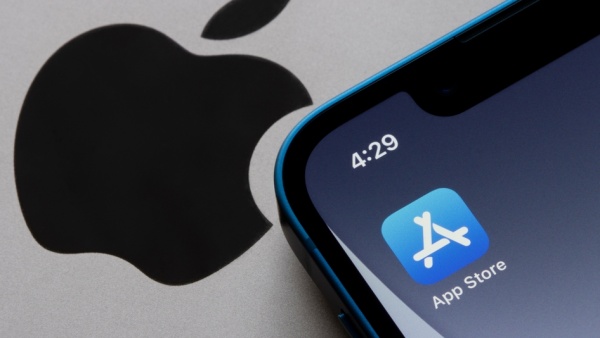
The number of apps released on the App Store and Google Play worldwide rose 60 percent in the first quarter from a year earlier.
Gigazine reported on April 20 that, contrary to forecasts that artificial intelligence would replace existing apps, a trend has emerged in which AI is spurring expanded app development.
Appfigures data showed global app launches on iOS and Android in the first quarter of 2026 each rose 60 percent from the same period a year earlier. iOS growth was higher at 80 percent. As of April 2026, total app launches across iOS and Android were up 104 percent year on year, and iOS was up 89 percent.
The figures diverge from earlier observations that wider use of AI could shrink the app ecosystem. Some in the industry have thought users could move to conversational interfaces, with AI chatbots or agents replacing existing apps and reducing the need for stand-alone apps.
Apple marketing chief Greg Joswiak drew a line under those views in a recent interview. "The App Store is alive and well. That I can tell you," he said. "The rumors that the App Store is over in the AI era may have been greatly exaggerated," he added.
In the market, AI is working to create more apps rather than reduce them. Appfigures data suggested the supply of new apps is rising rapidly as advances in AI tools make it easier for individuals with little development experience to enter app creation.
Trends also varied by genre. Looking at the most popular top genres among apps released in the first quarter from 2024 to 2026, games stayed in first place, but productivity and health and fitness ranked high in the first quarter of this year. That shows demand for using AI is spreading into practical app categories.
By contrast, some predicted apps would decline. Carl Pei (칼 페이), co-founder and chief executive of British smartphone maker Nothing, previously said smartphone apps would disappear as AI agents replaced them. But current launch trends are moving in the opposite direction.
Still, a surge in apps is not positive for users in every respect. Options have increased and the chance to access a wider range of tools has grown, but it could become harder to distinguish trustworthy apps from spam and harmful apps. There is an argument that platform operators need stricter monitoring systems, and users need to stay alert on security.
In this trend, AI is acting not as a technology that hastens the end of mobile apps, but at least so far as a factor that lowers barriers to development and expands supply in the app ecosystem. Key questions ahead are whether the larger number of apps will lead to greater actual usage and better quality, and how platforms will manage a rapid rise in apps.
 Jinju Hong (홍진주)
hongjj@d-today.co.kr
Jinju Hong (홍진주)
hongjj@d-today.co.kr