
Apple said on April 17 it reached an all-time high share of recycled materials in products shipped in 2025. In its annual environmental progress report, it disclosed that 30 percent of the materials in all products shipped last year were made up of recycled materials.
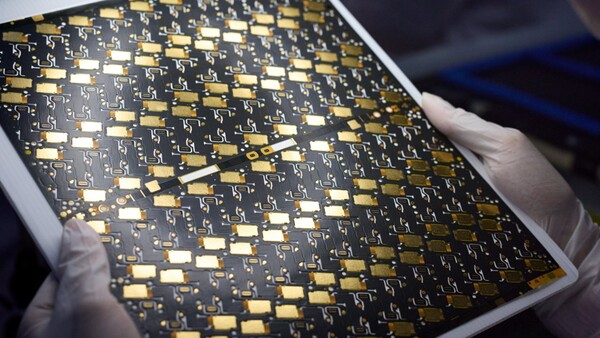
It also uses 100 percent recycled cobalt in all batteries it designs and 100 percent recycled rare earth elements in all magnets. It applies 100 percent recycled gold and tin for plating and solder on printed circuit boards.
It has also completed removing plastic from packaging. Apple said it finished switching to 100 percent fiber-based packaging last year, and all products ship in materials that can be recycled at home. Over the past 5 years alone, it has cut plastic use by more than 15,000 metric tons, equivalent to about 500 million plastic water bottles. The new Studio Display XDR box is designed with a folding structure so it can fit into a household recycling bin.
It is also continuing to invest in recycling technology. Apple introduced Cora, a new electronics recycling line at its California Advanced Recovery Center. Cora, designed and built in the United States, combines precision shredding with advanced sensor technology to increase material recovery rates. It also developed A.R.I.S., a machine learning-based detection system. A.R.I.S. supports recyclers in efficiently sorting and screening e-waste and runs on a Mac mini.
Its greenhouse gas emissions stayed more than 60 percent lower than 2015 levels. The company said it kept emissions at the same level as in 2024 even in a year when its business grew significantly.
Chief Executive Tim Cook (팀 쿡) said, "These milestones we've achieved in our work to protect the planet show that ambitious goals can be a powerful driver of innovation." He added, "As always, we will keep moving forward to build on this progress and achieve even greater advances."
There was also progress in renewable energy. Renewable energy procured last year by direct suppliers through the supplier clean energy program exceeded 20 gigawatts, producing more than 38 million megawatt hours of electricity. That is enough power for more than 3.4 million U.S. households for 1 year. Apple separately procured 1.8 gigawatts of renewable energy to operate offices, retail stores and data centers.
It also posted results in reducing freshwater use and cutting waste. Freshwater saved last year by Apple and its suppliers totaled 17 billion gallons, enough to fill more than 25,000 Olympic-size swimming pools. In 2025, it restored more than half of the water used in operations at facilities worldwide. It reached a 75 percent waste diversion rate, and in its supply chain diverted more than 600,000 metric tons of waste from landfills. Some 400 supplier facilities are participating in Apple's zero-waste program.
Chief Operating Officer Sabih Khan (사비 칸) said, "From expanding the use of recycled materials to removing plastic from packaging, Apple is setting a new standard that inspires us to go further and do more for people and the planet." Apple is pursuing its 'Apple 2030' goal of achieving carbon neutrality across all business operations by 2030.
 Dae-geon Seok
d2dg@d-today.co.kr
Dae-geon Seok
d2dg@d-today.co.kr