
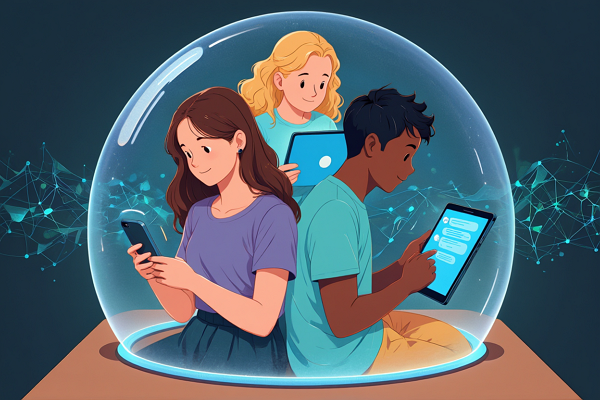
One in four Gen Z adults in the United States and Canada have had romantic or sexual interactions with artificial intelligence, a survey found. On April 7, IT outlet TechRadar reported the results of a survey conducted by sexual health company ZipHealth among respondents in the United States and Canada.
The trend was not limited to Gen Z. Nineteen percent of all respondents said they had experienced romantic or sexual interactions with AI, and more than half said talking with AI is easier than talking with a real person.
The results suggested intimacy with AI may not remain at the level of simple curiosity or physical closeness. Among Gen Z respondents, 36 percent said they used AI for emotional support or companionship. Of respondents who are currently in a relationship, including dating or marriage, 37 percent said they used AI for the same purpose. That means chatbots are not just flirting, but are listening and responding to users and filling a space once occupied by friends or partners.
The figures showed people have become accustomed to leaving emotional interactions to software. AI does not go offline unless there is a server problem, and fast replies and steady attention can appeal to lonely people.
The survey also covered perceptions of physical intimacy. About a quarter of respondents said they could consider physical intimacy with a sophisticated humanoid robot like a person. The survey asked about actual experience and intention together, making it difficult to draw firm conclusions about the pace of technology adoption.
The survey also exposed relationship ethics issues. Seven out of 10 respondents viewed having romantic feelings for AI as cheating. Half of respondents who said they had romantic or sexual interactions with AI said they hid it from their partner, and women were more likely than men to end a relationship because of flirtatious conversations.
Meanwhile, 83 percent of Gen Z respondents said the trend reflects a worsening loneliness crisis. It was interpreted as less about a civilisation falling in love with machines than a sign of a generation that has grown overly attached to synthetic attention. Because the survey is based on a single poll, it is difficult to generalise into a comprehensive conclusion, but how emotionally persuasive AI simulations can be has clearly emerged as a point of debate.
 Yoonseo Lee
yslee@d-today.co.kr
Yoonseo Lee
yslee@d-today.co.kr