
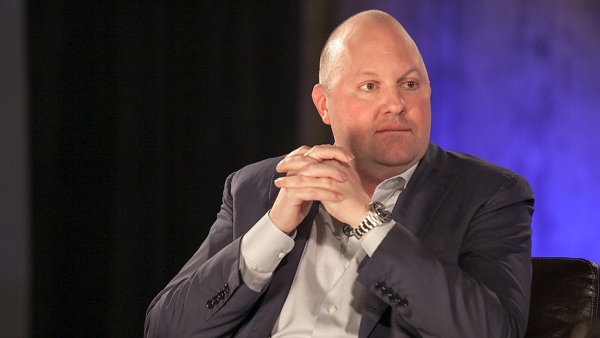
Silicon Valley investor Marc Andreessen said concerns that artificial intelligence will wipe out jobs are fake. He argued instead that it will spark a large job boom.
On April 6, blockchain outlet Cointelegraph reported that Andreessen wrote on X, formerly Twitter, that if AI boosts productivity it will expand demand and, as a result, increase employment.
He said the "AI job loss" narrative is "all fake" and added: "AI = surge in productivity = surge in demand = massive job boom. Watch." He pushed back against the simplistic view that AI will directly replace people and cut jobs, and instead stressed that it expands the overall economic pie.
U.S. employment indicators released around the same time contained mixed signals. In the March jobs report, the unemployment rate held at 4.3 percent, but the number of long-term unemployed who had been unable to find work for 27 weeks or longer rose by 322,000 over the past year. It suggests that while the surface looks stable, the number of people unable to find work for a long time is increasing within the labour market.
Andreessen also said there were signs of a recovery in the hiring market. Citing a Business Insider report, he said technology job postings in 2026 jumped sharply, and in particular software engineer postings exceeded 67,000, about double the level in 2023. He argued companies are gradually recovering from post-pandemic hiring adjustments and the shock of a sharp rise in interest rates.
On the ground, there have also been a series of cases where AI shifts lead to layoffs. Crypto company Block, led by Jack Dorsey, cut 40 percent of its workforce in late February, and was also reported to have been experimenting with replacing some middle-management tasks with agents as it accelerated the use of AI. Crypto.com also announced in mid-March it would cut staff by 12 percent, citing AI integration. The company said it would fail unless it changed direction immediately, presenting its AI shift as a survival strategy.
Large IT companies are also reducing jobs as they restructure and invest in AI infrastructure. Oracle was reported to have recently moved to cut up to 30,000 jobs, citing "broader organisational changes," and Mara Holdings, which has been converting bitcoin mining infrastructure for AI use, was also reported to have cut its workforce by 15 percent.
Against this backdrop, Andreessen's comments drew backlash online. Crypto influencer WendyO said: "Try telling that to the average lower and middle class American who can't find a job. Or to consumers who can't get proper customer service."
Separately, io.net co-founder Tory Green said Andreessen may be right in terms of "net job creation," but added the condition that AI tools must be widely accessible rather than captured by a small number of platforms. He meant that for AI-driven productivity gains to translate into broader hiring, the benefits must not be concentrated in only a few hands.
Ultimately, the dispute is less about whether AI eliminates jobs than about which jobs it changes, how quickly, and who bears the shock. While productivity gains can create new employment in the long run, concerns have also been raised that labour market imbalances could worsen if the burden of the transition concentrates on specific roles and groups.
1. Employer recovery from post-COVID hiring correction 2. Employer recovery from post-COVID interest rate spike 3. Elasticity = demand boom QED https://t.co/wfcStUfCzs
 Yoonseo Lee
yslee@d-today.co.kr
Yoonseo Lee
yslee@d-today.co.kr