
[DigitalToday reporter Jinju Hong (홍진주)] As the artificial intelligence (AI) boom shakes up semiconductor supply, the once fast-growing handheld gaming PC market is losing momentum. With memory and storage prices surging, manufacturing costs are jumping, and some products are becoming difficult even to launch.
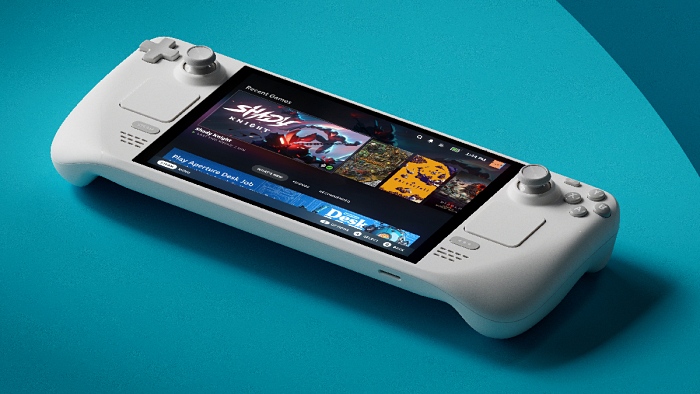
According to IT outlet TechRadar on March 26 (local time), the handheld gaming market grew rapidly after the launch of the Steam Deck in 2022. Starting with Valve, Lenovo, Asus and Ayaneo expanded the market with products across various price ranges. The Steam Deck in particular helped popularise the category with reasonable pricing and performance, serving as a benchmark for the market.
But the market environment has worsened sharply. Demand for high-performance memory and storage has surged as AI data centres expand, pushing component prices up quickly. As a result, handheld gaming PC makers face cost pressure, and their price competitiveness has been significantly shaken.
The most symbolic case is Ayaneo. The company unveiled its next-generation high-performance handheld, the NEXT 2, and took pre-orders, but later halted sales entirely as component prices jumped more than expected. Ayaneo acknowledged that production costs rose to nearly double the initial level, making it effectively difficult to expect profits. Units already reserved will be supplied, but additional sales remain suspended.
The problem is that this is not limited to a specific company. Memory supply instability is continuing across the industry, and Valve is also known to be experiencing inventory shortages for some products. There are suggestions that it could also affect development schedules for next-generation devices slated for future release.
This trend is ultimately weighing on both manufacturers and consumers. Manufacturers must absorb higher costs, while consumers face paying desktop-level prices despite the devices being handheld. Some high-performance handhelds are already approaching the price range of high-end laptops.
Industry concerns are also emerging that if this trend continues, the handheld gaming PC market could shrink back into a niche market. If the AI industry continues to absorb semiconductor resources, the situation could worsen further. As data centres secure large volumes of memory, a structure is becoming entrenched in which makers of general consumer devices are pushed back in supply.
Still, some say this supply crunch could ease over the longer term. They expect supply-demand imbalances could be resolved if the AI investment boom cools or semiconductor production capacity expands. Even so, a return to normal in the short term is unlikely, and market uncertainty is likely to persist for the time being.
 Jinju Hong
hongjj@d-today.co.kr
Jinju Hong
hongjj@d-today.co.kr