
Fears that AI will wipe out the enterprise software market have swept markets, pushing an ETF of listed software companies down 30 percent since early 2026. All gains built up since the launch of ChatGPT have disappeared. Shares of big software companies such as Salesforce, Adobe, Intuit, ServiceNow and Veeva have fallen 25 to 30 percent in a matter of weeks. Against that backdrop, the term “SaaSpocalypse” has emerged as a frequently used phrase in the tech world.
Venture capital firm Andreessen Horowitz (a16z) does not agree with the SaaSpocalypse.
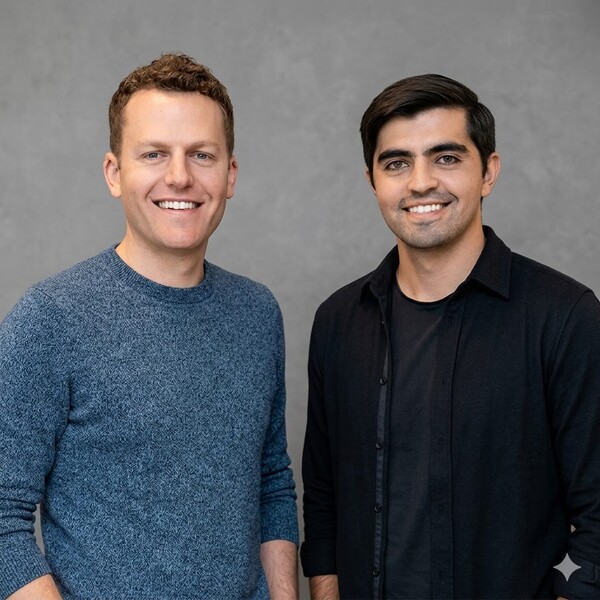
a16z’s Alex Immerman (알렉스 임머만) and Santiago Rodriguez (산티아고 로드리게스) recently shared their view in a post on the firm’s website that AI is driving the best thing to happen in the software industry’s history.
They said the logic of software bears largely falls into 4 categories.
It can be summed up as: foundation model companies will take over every application area; companies will build their own tools and break incumbent software firms’ pricing leverage; incumbents will expand product scope with AI and collide with one another; and so-called “one-person billion-dollar companies” will pour out and undercut existing players on price.
a16z sees this logic as stemming from a misunderstanding of what software companies actually sell.
General partner Alex Immerman and partner Santiago Rodriguez said, “The market treats software like a commodity pile of code. The idea is that if code gets cheaper, competition intensifies and corporate value falls. But the value of software companies is not in the code. If code were everything, they would have already been toppled by open source or engineers in countries with low development costs.”
In practice, software companies’ competitive advantages vary.
They said network effects are a representative example. “Salesforce is, on the surface, a customer management database. But in the corporate field, Salesforce is an ecosystem. People use it because everyone uses it, and the more it is used, the more third-party apps and specialised talent accumulate on top,” they said. “It is the same in the AI era. Legal AI platforms Harvey and Hebbia are creating collaborative spaces that bind service providers and customers, and even AI agents, into one system. As participants grow, the platform’s value grows, too.”
They said brand cannot be ignored. “The saying ‘Nobody gets fired for buying IBM’ still holds in corporate settings,” they said. “The more AI startups spring up, the more the value of existing brands that have built trust rises. The trust built by Stripe, Shopify and ServiceTitan cannot be replicated by new companies in a short time.”
They said proprietary data is also an important element of competitive advantage. “Bloomberg real-time market data, the millions of clinical conversations amassed by medical AI company Abridge, and the case-law assets of legal database VLex are becoming even rarer in the AI era,” they said.
They said the strongest moat is work processes.
They emphasised, “Software is an organisation’s way of working hardened into code. These processes, deeply rooted alongside a customer’s work over years and decades, cannot be easily replicated by competitors. If Harvey deeply understands how a particular law firm structures documents and the memo style a specific partner prefers, a new entrant cannot catch up overnight even if the cost of code falls to zero.”
The software industry is not completely free from AI’s shock. There are areas that are under pressure.
They said, “Tools that simply display data, legacy systems that raise prices every year while keeping outdated interfaces, and companies with obsolete pricing models are truly at risk.”
They said the moat of switching costs may also not hold in the AI era. “As AI agents handle a significant portion of migration work, switching barriers that kept customers locked in are lowered,” they said. “An era has come in which companies must earn loyalty through real value, not through holding customers in place. This is good for the entire software industry.”
They added, “For companies that provide real value, AI is a new growth engine. They can serve more customers at lower cost, and can automate areas they could not touch because they were too complex or too costly. The cheaper code becomes, the more the market wants software. The world is still short of software. Some companies will be weeded out. But the industry grows. SaaSpocalypse is not the end of software, but the beginning of something much bigger.”
 Chi-gyu Hwang
delight@d-today.co.kr
Chi-gyu Hwang
delight@d-today.co.kr