
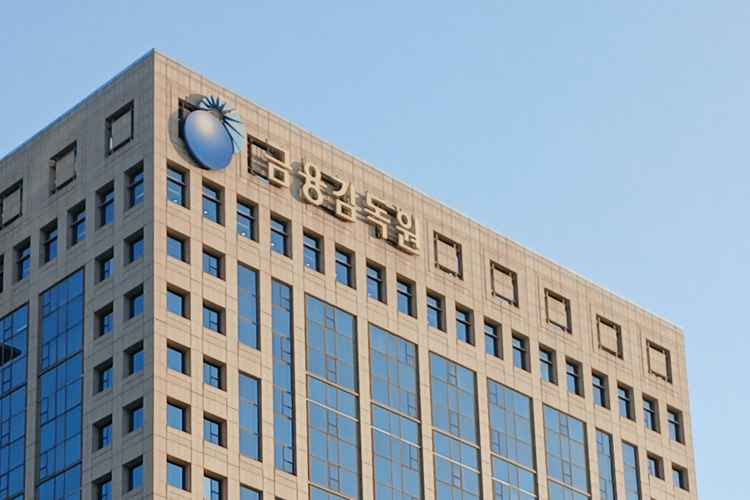
[Digital Today reporter Oh Sang-yup] Financial authorities are set to overhaul inspection and sanctions practices for financial companies. The key measures are to limit the Financial Supervisory Service's inspection scope to the most recent 5 years and improve consistency in sanctions procedures between the Financial Services Commission and the FSS.
The FSC held a meeting at the Government Complex Seoul on Nov. 27 and released the financial administration reform plan. It is a follow-up step after the Public Institutions Steering Committee earlier this year conditionally deferred designating the FSS as a public institution.
First, the FSS will set a time limit for inspections. In principle, acts older than 5 years will be excluded from inspection to reduce uncertainty for financial companies.
The authorities will also set up a channel for financial companies to raise objections to matters they deem unfair during inspections. The FSS plans to establish an "Inspection Rights Protection Review Committee" with external members making up a majority to review objections and requests for corrective action.
Internal approval standards for extending inspection periods will also be tightened. From the second extension, approval will be required from a deputy governor. From the third extension, a review by the Inspection Rights Protection Review Committee will be required. The notice period for ad hoc inspections will also be moved up to 7 business days before the start of an inspection from 7 days before.
The practice of disclosing investigation details externally before an inspection is completed will also be restricted. Exceptions will be allowed only when the need for disclosure is recognized, such as preventing harm to financial consumers or correcting inaccurate reports. Detailed standards will be included in separate public-relations guidelines.
The authorities will also pursue institutional improvements to prevent the FSC and the FSS from reaching different conclusions on the same matter.
For major sanctions cases such as new examples of applying laws and regulations or imposing large penalty surcharges, the FSS will be required to consult with the FSC on legal interpretation and whether to apply the rules before notifying parties in advance of convening a sanctions review committee.
If the level of sanctions changes in the FSC's final deliberation process, measures that fall under the authority of the FSS governor will also be reviewed and adjusted accordingly, and the changes will be conveyed to the FSC.
The authorities will also address the problem of long delays in financial companies entering new businesses due to sanctions procedures. They plan to set detailed standards so that even if a licensing review is suspended, the review will, in principle, resume after a certain period of time.
To secure expertise in reviews for new financial areas such as digital assets, the FSC will also introduce a procedure allowing it to hear opinions from outside experts in its agenda subcommittee.
Regular inspections that examine overall operations of financial companies will, in principle, be prohibited. The authorities will also pursue a plan to raise the ceiling for reducing administrative fines from the current 50 percent to 75 to 100 percent when a financial company is deemed to have made sufficient efforts, such as finding and correcting problems on its own.
Jeon Yo-seop (전요섭), director general of the FSC's Financial Policy Bureau, said in a briefing the previous day, "Even now, there is a prior consultation procedure between the FSC and the FSS, but the significance is that it has been codified as something that must be followed."
 Oh Sang-yup
yub@d-today.co.kr
Keyword
#Financial Services Commission #Financial Supervisory Service #Government Complex Seoul #Inspection Rights Protection Review Committee #Digital assets
