
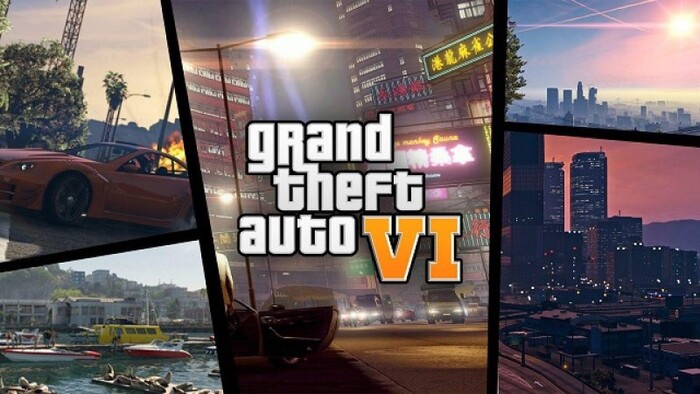
GameStop CEO Ryan Cohen criticised the video game industry’s move away from physical discs, prompted by GTA 6 being released as download-only. He said the spread of digital-only distribution limits consumers’ rights to resell and trade games, and also hurts used-game trading, a core GameStop business.
Decrypt, a blockchain media outlet, reported on Nov. 19 that Cohen said users who buy a game should be able to resell or trade it and lend it to friends. He said the shift to digital-only is hurting both consumers and GameStop.
The comments came as Take-Two Interactive releases GTA 6, sold for $80, as download-only. Offline retailers are selling packages containing download codes instead of game discs. Cohen said pre-sales are in the form of a code inside a box, adding that it is still selling well.
The shift to digital is also affecting GameStop’s performance. In the most recent quarter ended Aug. 1, sales of used and refurbished products were about $171 million, accounting for 22 percent of total revenue. That was down 32 percent from a year earlier. Some analysis says used game trading is under structural pressure as digital distribution expands.
Cohen said game companies benefit by blocking competition between used games and new game sales. He said they are weakening the used market by restricting users’ trade-ins, saying, "They are eliminating competition." He did not name any specific company, but stressed that download-only policies are changing consumer choice and the structure of game distribution.
The dispute is spreading from distribution methods to the question of ownership of digital content. Cohen said he met U.S. Representative Ritchie Torres and discussed related legislation. The "Power to the Players Act" backed by Torres includes provisions to ensure consumers can maintain access to titles sold by game companies.
Torres said in October that a game that can disappear the moment a company shuts down a service is not a purchase but a rental disguised as a sale. He raised concerns that even if consumers buy a digital game, their access can disappear if a platform or game company ends its service.
Similar moves are emerging in Europe. The "Stop Killing Games" campaign, which calls for users to be able to keep playing after game support ends, has secured 1.3 million signatures, meeting the threshold for a European citizens’ initiative. Legal disputes over ownership of digital games are also continuing. Sony said during a trial process that digital games cannot be owned, and some in the crypto industry are presenting blockchain-based ownership models as an alternative.
The gaming industry’s move to reduce physical discs is also fuelling the controversy. Sony said in July it would stop producing physical discs for new PlayStation games from January 2028. Some have voiced concern that fewer options to buy physical games or trade them used could increase the burden on low-income gamers. By contrast, PlayStation founder Ken Kutaragi described the backlash as "a matter of perception", and a former Infinity Ward developer said game companies have been pushing disc reductions since 2007.
GameStop is also expanding into businesses beyond game distribution. The company invested more than $500 million in 2025 to buy 4,710 bitcoins. It later put all but 1 bitcoin into Coinbase Prime’s covered call strategy to generate profits in March. In May, after its proposal to acquire eBay was rejected, it pursued expanding its stake in an online marketplace and also began procedures to obtain shareholder approval to raise its authorised shares to 2.5 billion.
With even major games such as GTA 6 being released as download-only, physical games are losing more ground. The debate over how far consumers can exercise ownership rights over purchased games is also expected to intensify.
 Jinju Hong
hongjj@d-today.co.kr
Keyword
#GameStop #GTA 6 #Take-Two Interactive #Sony #Bitcoin
