
[DigitalToday intern reporter Seung-a Yoo] Japan's mobile carrier KDDI is accelerating the build-out of nationwide infrastructure by using post offices and Lawson convenience stores as drone bases.
On Oct. 29, local time, IT media outlet ITmedia reported that KDDI SmartDrone unveiled a nationwide deployment plan to use drones for logistics, disaster response and infrastructure inspections. KDDI SmartDrone is a unit of Japanese carrier KDDI. It provides drone solutions and an autonomous flight platform using 4G LTE and satellite communications.
The key is to build an always-on operating foundation before distributing drone aircraft. KDDI plans to increase the number of droneports across regions where drones can be stationed to take off, land and charge, and to expand them into social infrastructure jointly used by multiple companies and local governments. It suggested post office rooftops and Lawson store sites as leading candidates.
The strategy also aligns with KDDI's plan for an "artificial intelligence (AI) workforce." KDDI President Masafumi Hiirono (히로노 마사후미) said the drone business "embodies it in the easiest-to-understand form." That means expanding nationwide a system in which drones carry out logistics, monitoring and inspection work instead of people.
KDDI is also pushing to expand communications networks. In May 2026, KDDI succeeded in a flight demonstration of direct communications between SpaceX's satellite communications service Starlink and drones. It confirmed that remote operations are possible even in areas with no communications coverage, and is aiming to launch the service in 2027.
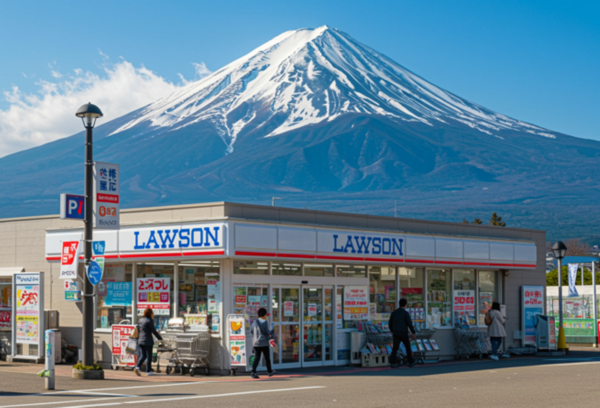
Work to secure drone bases is also under way. KDDI SmartDrone has installed droneports at 33 sites nationwide. In June 2026, it built the first permanent droneport at a Lawson store site in Ikeda, Osaka prefecture. That month it also signed a basic agreement with Japan Post and said it would use a nationwide network of about 240,000 post offices.
Cooperation with Japan Post is focusing on broadening areas of use beyond drone logistics. KDDI will use post office rooftops and other sites as droneport locations, while Japan Post will push to expand drone logistics based on KDDI's communications technology and remote-operation know-how. It believes that in mountainous regions, drones can enable the shortest-route delivery, and that using Starlink would allow remote operations even outside communications coverage.
In September, the two companies installed droneports on the roof of Suzu Post Office in Ishikawa prefecture and at a nearby fire station and ran a demonstration to remotely operate multiple aircraft at the same time. Hiirono said he initially questioned how installing droneports at post offices could contribute to local communities, but during discussions on site he learned that they could be used not only for postal logistics but also to check road conditions during disasters.
Broadcasters are also taking part in disaster response. TV Asahi believes keeping drones permanently deployed can greatly speed up coverage at disaster sites. The head of TV Asahi's news center said helicopter coverage previously took about 1 hour to arrive, but if drones are stationed locally they can "capture the situation in about 10 minutes."
TV Asahi, KDDI and KDDI SmartDrone also conducted a demonstration on the Noto Peninsula on Oct. 7 assuming a major earthquake. They launched a drone about 15 minutes after the quake, and two operators in Tokyo remotely operated four aircraft at the same time. Recorded video was transmitted in real time to TV Asahi headquarters via an IP line, and they confirmed integration with broadcast equipment. The news center head explained that even if reports of washed-away bridges are received via social networking services, drones can immediately verify the site and the footage can also help local governments and fire departments decide rescue priorities.
Costs must be addressed for a nationwide rollout. A Japan Post executive officer said time and money are needed not only for drone development and operating costs, but also for work to set flight routes in advance. The officer said the cost per flight is declining. The officer said that running routes as regular services, increasing the number of flights, and building a system in which one person remotely operates multiple aircraft could further reduce staffing needs.
KDDI is securing space to install droneports through Lawson and post offices and widening communications coverage with Starlink to strengthen the foundation for nationwide deployment. The pace of future expansion is expected to depend on whether technology to operate multiple aircraft at once and remote-operation systems can be linked to commercial viability.
 Seung-a Yoo
ysah@d-today.co.kr