
With $1 trillion pouring into fintech, why has people's financial literacy fallen instead?
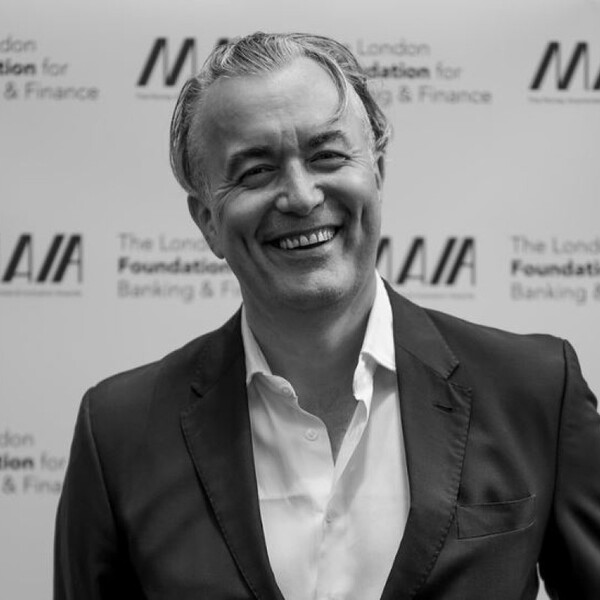
Michael Gilmore (마이클 길모어), founder of MAIA (Money Awareness and Inclusion Awards) and research director at Albizia Capital, recently raised the question in a contributed article for the Financial Times. He said the fintech industry is spending money in the wrong places.
He wrote that fintech companies have attracted more than $1 trillion in investment over the past 10 years. Investment is accelerating rather than shrinking.
KPMG data showed more than $100 billion flowed into fintech companies in the first half of this year alone. That was more than double the level in the first half of last year. The issue, he said, is where the money is going. Most of it has gone to payment systems, complex trading platforms and buy now, pay later (BNPL). He argued that almost none has gone into financial education or capability building. He said, "Buying on credit does not look like a breakthrough innovation worth pouring hundreds of billions of dollars into."
Against that backdrop, financial literacy has slipped. In a survey by the Teachers Insurance and Annuity Association of America (TIAA) and Stanford University's Global Financial Literacy Excellence Center (GFLEC), U.S. adults scored an average correct answer rate of 47 percent. That was down from 52 percent in 2020 and the lowest level in 10 years since the survey began.
In Britain, a survey of young people at the end of last year showed only 3 percent answered all five financial questions correctly. Just 2 percent said they learned money management at a bank.
Gilmore said there is no shortage of apps for paying, spending and speculating, but it is rare for ordinary consumers to know so little about their own money. He called it a paradox.
Gilmore looked to this year's MAIA winners for alternatives. The top fintech award went to Munny, a British startup focused on using AI to solve personal finance problems.
In the fraud response campaign category, the award went to Scam Victim Alliance, an Australian nonprofit run by fraud victims. The Global Anti-Scam Alliance (GASA) said annual fraud losses total $442 billion. Britain's Office for National Statistics (ONS) said bank and credit account fraud rose about 40 percent over the past two years.
Gilmore said the money raised by fintech companies should be spent on people who answer calls at 2 a.m., on AI that helps people fight scams, and on tailored financial education. He said financial capability building should be viewed as a long-term investment rather than charity.
 Chi-gyu Hwang
delight@d-today.co.kr
Chi-gyu Hwang
delight@d-today.co.kr