
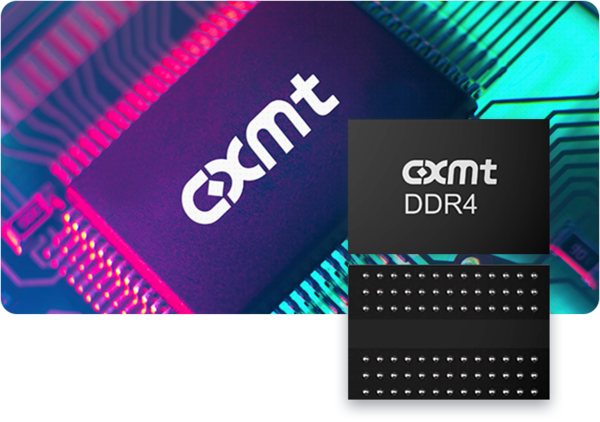
[DigitalToday reporter Jinju Hong (홍진주)] Chinese memory chipmaker ChangXin Memory Technologies (CXMT) unveiled progress in next-generation memory design technology, rattling global memory-related stocks. Concerns spread that Chinese firms could narrow the technology gap faster than expected, concentrating selling in major memory companies such as Samsung Electronics, SK Hynix and Micron.
CNBC reported on Oct. 13 that CXMT said it made meaningful progress over the weekend in developing a new memory cell architecture that can store more data in a smaller space.
On the news, Micron shares fell 3.7 percent in U.S. premarket trading. In South Korea, SK Hynix dropped 10 percent and Samsung Electronics fell 7.4 percent. Other memory-related shares such as SanDisk, Seagate and Western Digital also weakened.
The market focus was the possibility that CXMT could narrow the technology gap. The design disclosed by CXMT is based on 4F squared (4F^2) technology that increases storage density by reducing the area of memory cells. SK Hynix has also presented a development roadmap for the technology in 2025. The stock moves were seen as reflecting worries that if Chinese firms deliver results faster than expected in next-generation memory development, the competitive edge of global leaders could weaken.
With demand for high-performance memory rising amid the spread of artificial intelligence data centres, a Chinese technology catch-up could weigh on the broader industry. As competition expands into advanced memory markets such as high bandwidth memory, investors are watching how long existing makers can maintain a technology advantage. Still, it is difficult to conclude that the design progress disclosed this time will immediately translate into mass-production competitiveness or entry into the HBM market.
CXMT is emerging as a leading player in China’s memory industry. Founded in 2016, the company is headquartered in Hefei, Anhui province. Its shares surged about 466 percent above the IPO price on their first day of trading on Shanghai Stock Exchange’s STAR Market in July. The company’s valuation jumped at the time, underscoring its presence in China’s semiconductor industry.
Since the listing, the stock has fallen about 4 percent below its IPO price of 49 yuan per share, but its market capitalisation stood at 3.46 trillion yuan. That is close to the 3.87 trillion yuan market value of Tencent, China’s largest technology company.
Its market share is also expanding quickly. CXMT’s global DRAM market share rose to about 10 percent, HSBC said in a report published on Oct. 9. That is more than double the roughly 4 percent a year earlier. Global rivals have become more wary because it increased share even as U.S. export restrictions on China limit access to advanced semiconductor equipment.
Still, CXMT faces high technological hurdles. U.S. export controls limit access to advanced chipmaking equipment, and it is also difficult to secure extreme ultraviolet lithography equipment from ASML in the Netherlands. Applying advanced design technology to actual products and securing stable yields and productivity remain separate challenges.
Even so, CXMT was reported to plan to launch server memory products based on the new cell architecture by the end of 2026. Investors are watching whether technology development can lead to product launches and mass production, and how much success it can achieve in performance and price competition with established companies.
The potential to expand sales channels outside China is another variable. Citi analysts said in an August report that it is unlikely the U.S. government would allow sales of Chinese-made memory in the United States. They also said if CXMT products enter data centre markets in other regions such as Europe, it could indirectly affect existing makers including Micron. That would mean global competition for memory supply could intensify if products that had stayed in China’s domestic market expand overseas.
Apple’s moves are also drawing attention. The Financial Times reported in July, citing sources, that Apple is testing CXMT’s DRAM for products sold in China and asked the U.S. government to allow broader use of CXMT products. If it leads to actual adoption, CXMT could secure a stable source of demand while gaining an opportunity to improve product credibility.
The steep drop in memory stocks shows how much news of Chinese technology development can affect competition in the global semiconductor market. It remains to be seen whether CXMT’s design progress will translate into mass-production results. Still, as it coincides with market share gains and the possibility of overseas expansion, competitive pressure is rising for established leaders such as Samsung Electronics, SK Hynix and Micron. In the memory market, expectations for growth driven by expanding AI demand and the prospect of Chinese technology advances and supply increases are set to be key variables.
 Jinju Hong
hongjj@d-today.co.kr
Jinju Hong
hongjj@d-today.co.kr