
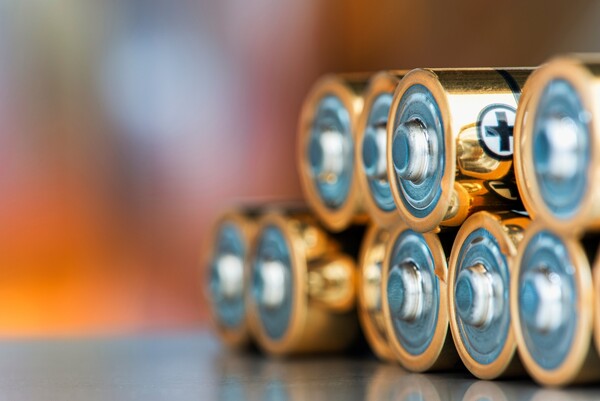
[DigitalToday reporter Jinju Hong (홍진주)] Differences between alkaline batteries and lithium-ion batteries lie in their use and devices, rather than in simple performance. Alkaline batteries are practical for low-power devices such as remote controls and wall clocks. Lithium-ion batteries are mainly used for devices such as smartphones and laptops that need high energy density and repeated charging. Depending on the usage environment, rechargeable nickel-metal hydride batteries can be an economical alternative.
Engadget reported on Oct. 12 local time that alkaline batteries are sold in common everyday formats such as AA, AAA, C, D and 9-volt. They are relatively inexpensive and easy to buy. They are also suitable for long-term storage when unused. They are seen as a practical option for devices that consume power slowly, such as remote controls, wireless mice and wall clocks.
Alkaline batteries, by contrast, are mostly disposable, so they must be replaced with new ones once depleted. Lithium-ion batteries can be recharged and used repeatedly. They can store more energy in the same size. That is why they are widely used in smartphones, laptops, cameras, wireless game controllers and power tools. They can provide relatively long usage time with a small battery, but require charging circuits and management systems that match the battery pack.
In particular, disposable lithium AA and AAA batteries and lithium-ion batteries must be distinguished. Both include lithium in their names, but their uses and structures differ. Disposable lithium AA and AAA products are designed to replace standard alkaline cells. They cost more than alkaline batteries, but can be advantageous where battery drain is rapid or temperature swings are large. They are suitable for devices where stable power supply is important, such as emergency and outdoor equipment.
Device compatibility should also be checked when changing batteries. To put a lithium substitute into a device designed to use alkaline cells, users should see whether the manufacturer specifies compatibility. Using alkaline cells in place of a lithium-ion battery pack, or trying to charge disposable alkaline or lithium batteries, can increase the risk of overheating and fire.
Users who frequently replace AA and AAA batteries may also consider rechargeable nickel-metal hydride (NiMH) batteries. Panasonic Eneloop is a representative product. NiMH uses a chemical system different from lithium-ion, but is provided in standard AA and AAA sizes and can be used repeatedly in various household devices. However, the nominal voltage of typical NiMH batteries is 1.2 volts, lower than the 1.5 volts of disposable alkaline cells. Users should check the manual for devices sensitive to voltage.
Disposal methods also differ by battery type. In the United States, many areas allow alkaline batteries to be thrown away as regular trash. Lithium-ion batteries and devices that contain them should not be placed in regular trash or standard recycling bins. Fires can occur if batteries are damaged during disposal or compaction. Using designated collection points or battery take-back programs is safer for lithium-ion batteries. When transporting them, it is recommended to wrap exposed terminals with insulating tape and separate batteries to prevent contact.
Ultimately, batteries should be chosen by considering a device's power consumption, frequency of use, temperature environment and whether it can be recharged, rather than by price or name alone. Alkaline batteries can be a practical choice for remote controls and wall clocks. Lithium-ion batteries can be practical for smartphones and laptops. Rechargeable NiMH batteries can be practical for devices that frequently consume AA and AAA cells.
 Jinju Hong
hongjj@d-today.co.kr
Jinju Hong
hongjj@d-today.co.kr