
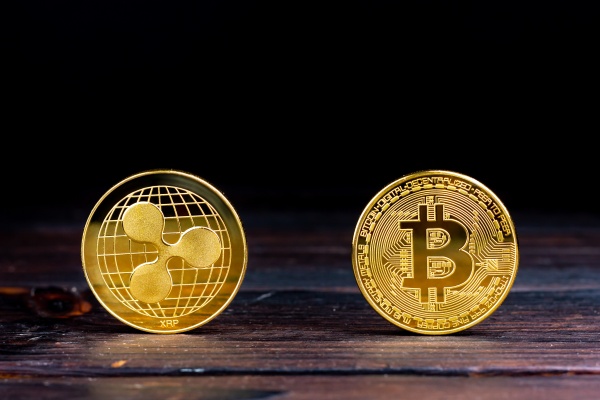
Veteran trader Peter Brandt recognised XRP's usefulness for trading but said that function alone does not justify a rise in its market value.
On Aug. 26, blockchain outlet The Crypto Basic reported that Brandt said in a recent interview that XRP should be distinguished from bitcoin and assessed by different valuation standards.
He classified bitcoin primarily as a store-of-value asset and XRP as a utility-focused cryptocurrency. He derided XRP as a "fools coin" but said it can be used effectively for transaction purposes and is inexpensive.
Brandt's key point was separating utility from price. He said an asset being useful for transactions does not immediately determine how much value it should have in the market. Using the U.S. dollar as an example, he explained that people do not buy dollars as a long-term holding asset simply because it is efficient as a medium of exchange.
Asked whether his view of XRP had changed as Ripple expanded partnerships and advanced its business, Brandt focused on supply structure and transaction use. He said that, based on XRP's transaction role, investors may one day be able to more clearly distinguish overvalued and undervalued phases. He did not present a price target or specific price outlook.
Questions were also raised about XRP's total supply, but XRP Ledger (XRPL) documents say XRP's maximum supply is capped at 100 billion tokens. All XRP was created when the ledger launched and no additional issuance is possible. The protocol is designed so transactions cannot create new XRP, and transaction fees are burned, meaning total supply gradually declines.
Brandt also said cryptocurrencies should be assessed based on each asset's original function. He said transaction-focused cryptocurrencies, store-of-value assets, and platforms such as ethereum that support applications and additional functions should be viewed separately. Under this distinction, he implied bitcoin and XRP are difficult to evaluate by the same yardstick.
On portfolio construction, he supported diversification among major cryptocurrencies such as ethereum, XRP and solana. He also expressed caution about repeatedly chasing newly launched assets. He said ethereum and solana are likely to rise further but did not offer a comparable price outlook for XRP.
Ultimately, the focus of his remarks was that, separate from whether expanding XRP's transaction use can increase real demand, it remains unclear how that demand will be reflected in market value. Brandt recognised XRP as an asset with transaction utility but made clear it cannot be approached with the store-of-value logic applied to bitcoin.
 Yoonseo Lee
yslee@d-today.co.kr
Yoonseo Lee
yslee@d-today.co.kr