
South Korea and five Central Asian countries will expand cooperation in AI and science and technology. They will pursue joint research and talent exchanges in areas including AI innovation for public services and AI transition in industry and the public sector, as well as future climate technologies, space and energy transition.
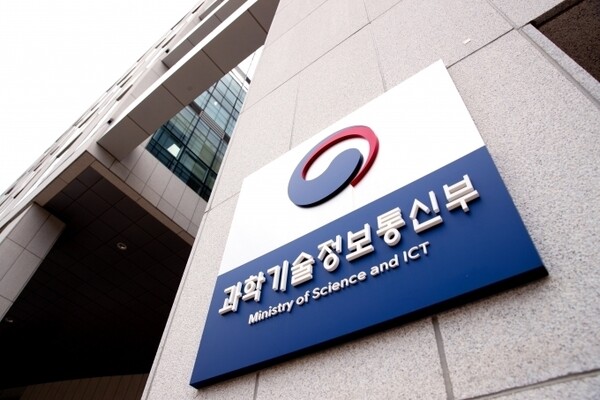
The Ministry of Science and ICT said on Tuesday it jointly adopted the "Korea-Central Asia Future AI and Science and Technology Partnership Initiative" with Kazakhstan, Kyrgyzstan, Tajikistan, Turkmenistan and Uzbekistan on the sidelines of the first Korea-Central Asia summit.
The initiative is the first multilateral cooperation document on AI and science and technology adopted between South Korea and Central Asia. The ministry said it will use it to lay the groundwork for various innovation players, including industry and academia, to pursue practical cooperation projects in Central Asia. The ministry previously held the "Korea-Central Asia Future AI and Science and Technology Partnership Ministerial Meeting" on Sept. 14 and jointly adopted the initiative with the five countries' ministries in charge of AI and science and technology.
The two sides agreed that AI is a key driver of sustainable development and prosperity and decided to identify AI innovation tasks in the public services sector. They will also cooperate on capacity building to promote AI transition in industry and the public sector, narrowing AI gaps and creating an environment for AI use.
In science and technology, they will pursue cooperation focused on future climate technologies, space, energy transition and building stable resource supply chains. They will also carry out joint research that reflects each country's needs and conditions and foster future innovation talent through personnel exchanges. Taking into account that Central Asia is resource-rich and has critical minerals such as rare earths, they plan to expand science and technology cooperation to building stable supply chains.
They will also share policies, systems and best practices so that research results can lead to follow-up research, demonstration and technology commercialisation. They plan to expand the scope of cooperation beyond government-to-government cooperation to include industry and academia.
Deputy Prime Minister and Science and ICT Minister Kyung-hoon Bae (배경훈) said, "By adopting the AI and science and technology initiative, we have built a 'Silk Road of the future' that connects the strengths of our country and Central Asia." He said, "We will do our best so that cooperation between the two regions leads to mutually beneficial joint growth, including AI and science and technology innovation and building key supply chains."
 Jin-ho Lee
jhlee26@d-today.co.kr
Jin-ho Lee
jhlee26@d-today.co.kr