
Search results for Google Play Protect
Telecommunications & Media
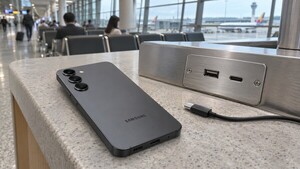
10 rules for using Android smartphones, from unfamiliar apps to public USB ports
Delaying security updates on Android smartphones or installing apps from unclear sources can raise the risk of personal data exposure. Other actions to watch include granting unnecessary permissions and allowing data transfer through public USB ports. Tips also cover keeping enough storage space, avoiding links leading to app installers, turning off USB debugging after use, checking network names on public WiFi, choosing “charge only” on public USB ports, and using battery charging optimisation features when available.

AI & Enterprise
Google works with FBI to disrupt \'NetNut\' malicious proxy network
Google Threat Intelligence Group said on July 6 it worked with the FBI and industry partners to disrupt NetNut, one of the world’s largest malicious residential proxy networks. It said the proxy network industry is closely interconnected through operators trading botnet resources. Google estimated NetNut infected and controlled at least 2 million devices via the BadBox 2.0 botnet and trojan apps, including many smart TVs and set-top boxes.
Telecommunications & Media
iPhone vs Android: which is safer? A closer look at security features
Android and iOS both offer a range of smartphone security functions, but differ sharply in how broadly they allow third-party apps, how they respond to theft and how they approach privacy. Both support two-factor authentication and built-in password managers. Apple relies on App Store review and malware detection, while Android uses Google Play Protect and permits sideloading, which can raise risk. Experts say security depends less on the operating system than on which protections users enable.