
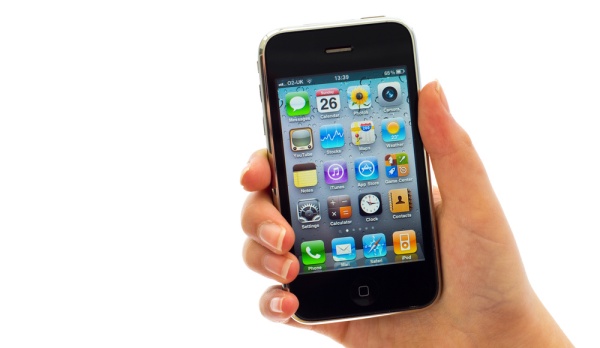
Ultra-budget smartphones priced at about $100, or around 140,000 won, can provide everyday basic functions such as calls, texts and essential app use without difficulty.
On Aug. 10, IT outlet Engadget noted the ultra-budget smartphone market is absorbing some demand from users who value basic functions over premium features.
The key is how much people are willing to compromise. As high-end smartphone prices keep rising and backlash against digital overload grows, some consumers are considering a return to basics. There is also a growing view that many recent premium smartphone features are “nice to have” rather than “essential.”
Basic specifications on ultra-budget smartphones are broader than expected. Even devices priced under $100 can be expected to offer a full-color touchscreen, up-to-date Android apps, WiFi, Bluetooth, GPS, one rear camera and decent battery performance. If the goal is calls, texts, maps, messaging and basic app use, such options are seen as worth considering.
Conditions vary widely depending on how the phone is bought. Fully unlocked models offer limited choices and are less competitive. By contrast, phones paired with prepaid mobile carriers offer better hardware conditions but come with the constraint of being tied to a specific carrier. It is a trade-off between hardware and freedom of use.
The used market is mentioned as another alternative. In that case, buyers must accept variables such as battery condition and the length of software support. Some performance may be better, but it is hard to guarantee how long the device will last and how stable it will be to maintain.
Price-based boundaries are also clear in specifications. Among fully unlocked ultra-budget models, 720p LCD screens are more common than 1080p. In contrast, prepaid plan bundles can be expected to offer 5G, FHD+ AMOLED displays, 128GB of storage and rear cameras.
Even so, ultra-budget devices are not substitutes for premium phones. Expectations need to be lowered, especially on speed, camera quality and high-end materials. They are clearly far from the feature competition highlighted in the latest premium phones.
The trend shows the smartphone market is becoming more segmented. Not every user needs premium features, and some decide that calls, texts and essential apps are enough.
Ultimately, a $100 smartphone in 2026 can meet demand centered on basic functions, but the pros and cons differ sharply depending on how it is bought. Unlocked models offer fewer choices, prepaid bundles impose carrier constraints, and used phones hinge on battery condition and the support period. It has become a market where consumers must weigh not only price but also usage needs and constraints.
 Yoonseo Lee
yslee@d-today.co.kr
Yoonseo Lee
yslee@d-today.co.kr