
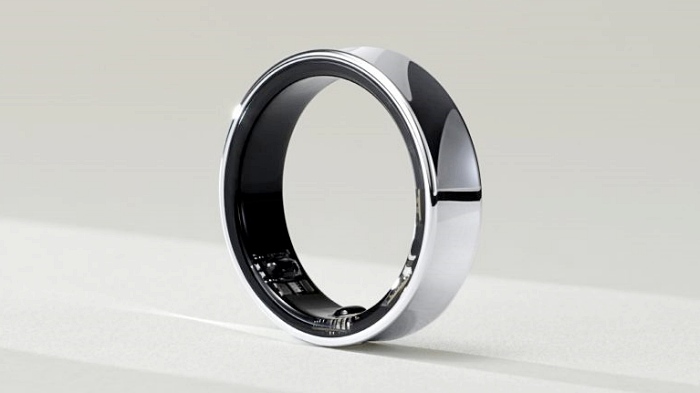
Samsung has begun developing its next-generation smart ring, the "Galaxy Ring 2", a report said. With competition in the smart ring market rapidly intensifying, Samsung is expected to seek to strengthen the follow-up model by focusing on AI-based health management features, battery performance and platform expansion.
TechRadar reported on July 11 that Hon Pak (혼 팍), senior vice president who leads Samsung Electronics' digital health team, said in an interview with Forbes that the company is "developing a next-generation product". He did not disclose a specific product name or launch schedule, but the industry views the remarks as referring to the next smart ring, the "Galaxy Ring 2".
The market environment the Galaxy Ring 2 will enter is very different from when the first-generation product appeared. Competitors such as Oura and RingConn have released new products in succession, intensifying competition in the smart ring market. As a result, the follow-up model is expected to need differentiation across overall product strategy rather than simple hardware improvements.
The most-watched area is subscription policy. Smart ring makers have recently increased cases of offering health data analysis and in-depth report features through monthly subscriptions. Oura runs a $5.99-a-month membership. Samsung, by contrast, has provided key health features on the first-generation Galaxy Ring without a separate subscription fee. The industry sees maintaining that policy as a potential advantage over competing products.
Improving wear comfort is also cited as an important task. Because smart rings must fit sensors, a battery and various components into a small ring while being worn all day, size and weight have a major impact on user experience. With recently unveiled competing products emphasizing smaller and lighter designs, the Galaxy Ring 2 is also likely to respond to that trend.
Battery performance is another intensely competitive area. The longer the charging cycle, the more continuously long-term health data such as sleep and heart rate can be recorded. RingConn's third-generation model currently touts up to 12 days of use, and the industry has raised the possibility that Samsung could apply all-solid-state batteries to its next model.
Platform expansion is also in focus. The first-generation Galaxy Ring could be used only by Android users, but there is also speculation that Samsung is reviewing support for iPhones. If iOS compatibility becomes reality, the Galaxy Ring's potential customer base is expected to expand significantly.
Differentiation in health features is also expected to be a core competitive strength of the follow-up model. Most smart rings currently measure sleep, heart rate, activity levels, stress and recovery status at similar levels. Competitors are trying to differentiate by adding new features such as vascular health analysis or sleep apnea monitoring. Samsung is also being assessed as needing to present new features beyond existing health indicators to persuade users of the need to upgrade.
AI is in particular the area Samsung is most focused on. Pak predicted that within the next 2 to 3 years, AI could analyse individual characteristics and provide tailored motivation to improve exercise and sleep habits. He said AI could go beyond summarising health data and serve as a personal health coach that drives changes in user behaviour.
The industry sees Samsung as able to further boost competitiveness in the smart ring market if it develops AI into a practical health management service and improves subscription policy, battery and platform compatibility. Another view is that if there are no clear changes in these elements, it will not be easy to maintain presence in an increasingly competitive market.
Samsung is scheduled to hold its "Galaxy Unpacked" event in London on July 22. The industry is watching the possibility that additional information related to the Galaxy Ring 2 could be disclosed there.
 Jinju Hong
hongjj@d-today.co.kr
Jinju Hong
hongjj@d-today.co.kr