
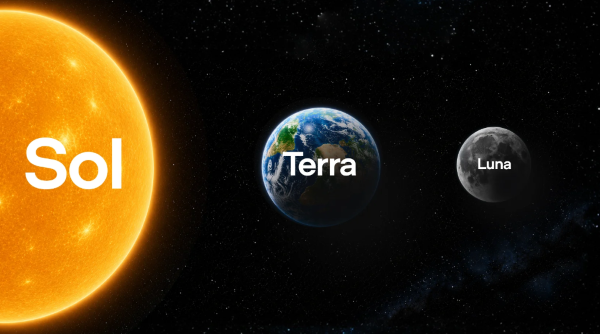
[Digital Today intern reporter Seung-a Yoo] OpenAI will release its GPT-5.6 family models Sol, Terra and Luna to the public on July 10 (local time). It is ending an initial rollout that was limited to a small number of trusted partners at the request of the U.S. government. The company is switching to a full public release about 2 weeks after the initial approach began.
On July 8, CNBC and other foreign media reported that OpenAI is expected to begin distributing GPT-5.6 as early as this week after completing additional testing and consultations with government authorities.
The move marks a shift in OpenAI’s model distribution approach announced last month. At the time, OpenAI allowed priority access only to a small number of trusted partners, including participating organisations shared with the government, to meet federal oversight standards. It did not disclose the partner list. OpenAI also said from the start it aimed for broad access, and it had signalled it would provide GPT-5.6 Sol, Terra and Luna more widely within the coming weeks.
Sam Altman (샘 알트먼), OpenAI’s chief executive, hinted at the public release on July 8 in a post on X, formerly Twitter, writing: "Have fun with it." OpenAI also said it was expanding preview access to the GPT-5.6 models worldwide the same day.
OpenAI drew a line, saying the government’s pre-access approach should not become a long-term default. "We believe that this kind of government access process should not become the long-term default," it said, adding that such a structure blocks access to top-tier tools needed by users and developers, companies, cyber defence personnel and global partners.
The release also aligns with a trend of the U.S. government expanding the scope of its involvement in AI model distribution. President Donald Trump signed an AI executive order in June. It asked leading developers of frontier models to voluntarily provide models to the government for capability evaluations before formal release. It also instructed federal agencies to establish evaluation procedures within 60 days. Against that backdrop, OpenAI said in June it is working with the government to build an evaluation framework and a "repeatable process" for future model releases.
A recent case involving rival Anthropic has also drawn market attention. Anthropic disabled access to Claude Fable5 and Mythos5 last month to comply with export control guidelines. After the U.S. Commerce Department lifted the guidelines late last month, it reopened the service last week. Regulatory uncertainty that had constrained global user access has been eased for now.
As major AI companies in the United States adjust launch schedules after regulatory reviews, Chinese companies are expanding their niche by emphasising accessibility and cost competitiveness. Zhipu released GLM 5.2 last month, offering it as a free download and allowing fine-tuning and deployment on a company’s own servers.
OpenAI introduced GPT-5.6 Sol as "its most powerful model" and said it offers higher performance across coding, biology and cybersecurity. OpenAI, the White House and the U.S. Commerce Department have not issued immediate statements on the matter, leaving the actual release timing and the scope of access for general users to be confirmed in OpenAI’s final announcement.
The release is becoming a test case for what standards will take hold between the speed of deploying frontier AI and the government’s pre-review. Key questions include how government evaluation procedures will be institutionalised in practice and how developers will coordinate them with release schedules.
GPT-5.6 sol launches thursday! happy building
 Seung-a Yoo
ysah@d-today.co.kr
Seung-a Yoo
ysah@d-today.co.kr