
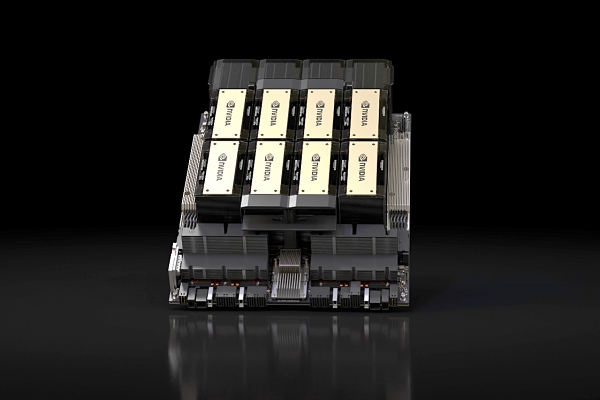
Nvidia’s H200 GPU, a flagship artificial intelligence accelerator, has seen its rental price drop about 40 percent over the past three weeks. As analysis emerges that expectations of a prolonged AI infrastructure shortage may weaken, debate is resurfacing over the argument that Nvidia is overvalued.
On May 29 local time, blockchain media outlet BeInCrypto reported that the hourly rental price of Nvidia’s H200 GPU fell to around $4 from about $7 recently. The shift is drawing attention because it could be interpreted as a sign that a GPU supply shortage that has lasted for years amid rising AI computing demand is easing.
The price drop is seen as occurring as demand moves to the latest-generation Blackwell series GPUs. According to the Ornn Compute price index, while Blackwell-based products such as the B200 and GB200 are commanding premium pricing, supply of the previous-generation Hopper-family GPUs is gradually stabilising across the broader neocloud market.
What market participants are watching is not simply the price cut itself. Until now, one of the key arguments supporting Nvidia’s high corporate value has been expectations that the AI chip shortage would persist for a long time. But as H200 prices adjust quickly, concerns are being raised that this scarcity premium could weaken sooner than expected.
Thierry Borzatt (티에리 보르자트), an analyst at ABV, said, "The price of one of the most strategic assets in the tech industry has fallen by nearly 40 percent in just three weeks." He added, "A repricing of core AI infrastructure assets may be beginning."
Still, Wall Street’s view remains optimistic. Wedbush’s Dan Ives maintained an "outperform" rating on Nvidia and a $300 target price, expecting the trend of expanding AI capital expenditure to continue. The average target price of 43 analysts compiled by market research firms is also around $304, reflecting more than 40 percent upside from the current share price.
Nvidia’s results also remain solid. The company posted revenue of $81.6 billion in the latest quarter, up 85 percent from a year earlier. The prevailing view in the industry is that it is difficult to see Nvidia’s growth story as damaged by the H200 price adjustment alone.
Investor focus, however, is gradually shifting in another direction. That is because whether AI investment profitability can be proven in practice is emerging as a more important variable than whether there is a GPU supply shortage.
According to a Financial Times analysis, estimated returns on AI investment from 2025 to 2030 were calculated at minus 9.2 percent for Microsoft and minus 28.8 percent for Meta. Concerns are also being raised that if hyperscalers investing tens of billions of dollars in AI infrastructure fail to generate sufficient profits, the scale of future investment could shrink.
Ultimately, the market’s attention is turning to pricing power and demand durability rather than Nvidia’s revenue growth itself. If Hopper-family GPU prices continue to fall while the Blackwell series maintains high premiums, investors are likely to assess the quality and sustainability of AI demand more strictly.
The industry views the H200 rental-rate drop as not an event that immediately threatens Nvidia’s performance, but as an important signal that the AI infrastructure market is shifting from a supply shortage phase to a supply normalisation phase. This is expected to emerge as a key point of contention between bulls and bears on Nvidia going forward.
 Jinju Hong
hongjj@d-today.co.kr
Jinju Hong
hongjj@d-today.co.kr